



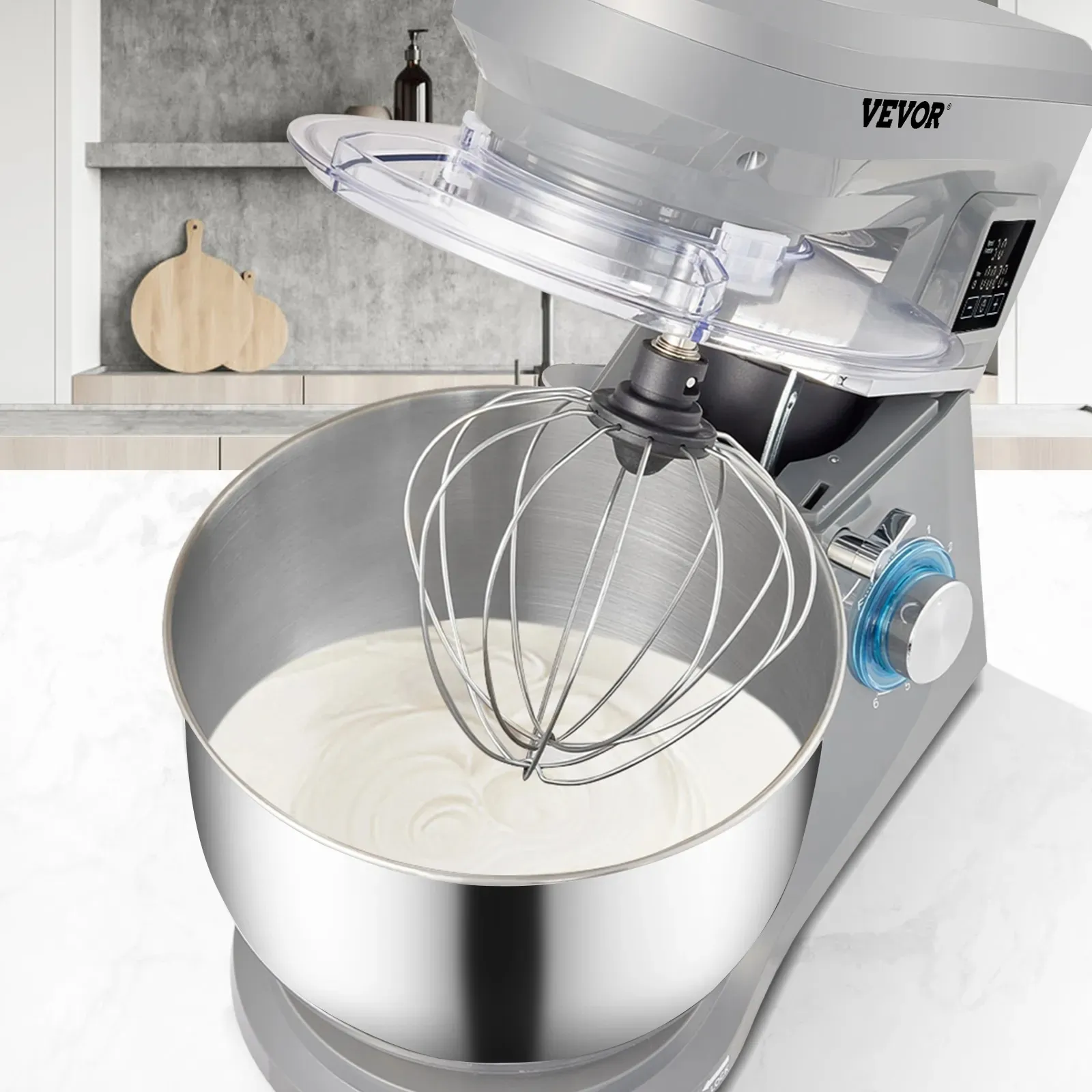
The food processing industry is under increasing pressure to enhance sustainability and reduce operational costs. A critical area of focus is the energy efficiency of mixing equipment, which is fundamental to numerous production lines. Modern food mixing machinery has evolved significantly, integrating advanced technologies that minimize energy consumption while maintaining or improving product quality and throughput.
The Drive for Energy Efficiency
Energy efficiency is no longer a secondary consideration but a primary driver in equipment design and selection. Factors such as rising energy costs, stringent environmental regulations, and corporate sustainability goals have pushed manufacturers to innovate. Efficient mixers reduce the carbon footprint of food production and offer a rapid return on investment through lower utility bills.
Key Technologies Enhancing Efficiency
Several technological advancements are at the forefront of creating energy-efficient mixing solutions.
1. High-Efficiency Motors and Drives
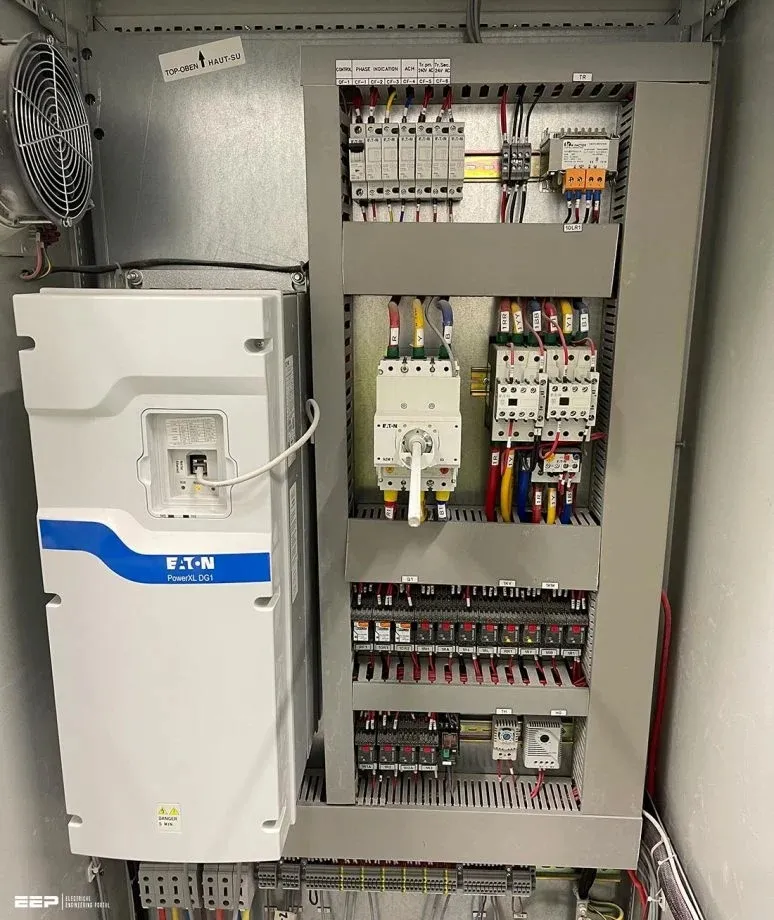
The heart of any mixer is its motor. Modern equipment utilizes premium efficiency (IE3/IE4) electric motors and variable frequency drives (VFDs). VFDs allow the motor speed to be precisely matched to the process requirements, eliminating the energy waste associated with constant-speed motors running at full capacity unnecessarily.
2. Advanced Impeller and Vessel Design
Computational Fluid Dynamics (CFD) is used to optimize impeller geometry and tank design. These simulations ensure optimal flow patterns, reducing mixing time and the power required to achieve homogeneity. Streamlined designs minimize drag and turbulence, leading to direct energy savings.
3. Smart Sensors and Automation
Integrated sensors monitor parameters like viscosity, temperature, and torque in real-time. This data is fed to an automated control system that dynamically adjusts mixing speed and duration. This prevents over-processing—a common source of energy waste—and ensures consistent results batch after batch.
Comparative Energy Performance
The following table illustrates the potential energy savings of modern efficient mixers compared to conventional models over a typical operational year.
| Mixer Type | Motor Power (kW) | Estimated Annual Energy Use (MWh)* | Estimated Annual Energy Savings (%) |
|---|---|---|---|
| Conventional Fixed-Speed Mixer | 30 | 78 | 0% (Baseline) |
| Modern Mixer with VFD | 30 | 58.5 | 25% |
| Advanced Design with Optimized Geometry & Controls | 25 | 46.8 | 40% |
*Based on 2,600 operating hours per year. Actual savings vary based on application and duty cycle.
Beyond Direct Energy Savings: System-Wide Benefits
Energy-efficient mixing contributes to broader system efficiency. Reduced motor heat generation lowers the cooling load on facility HVAC systems. Faster, more consistent mixing can shorten overall production cycle times, allowing for lower energy use across the entire line. Furthermore, precise thermal control often integrated into modern mixers avoids excessive heating or cooling energy loss.
Lifecycle Cost and Return on Investment
While energy-efficient mixers may have a higher initial capital cost, the total cost of ownership is often lower. The savings from reduced energy consumption typically result in a payback period of 1 to 3 years. Additionally, these machines often feature higher reliability and reduced maintenance needs, further lowering operational expenses.
Conclusion
Investing in energy-efficient food mixing equipment is a strategic decision that aligns economic and environmental objectives. Through the adoption of high-efficiency motors, variable speed drives, optimized mechanical design, and intelligent controls, food manufacturers can achieve substantial energy reductions. This not only cuts costs but also strengthens sustainability credentials, making it an essential consideration for the modern food industry.