



The global beverage industry is a dynamic and highly competitive field where consistency, safety, and innovation are paramount. Behind every successful product—be it a craft beer, a fine wine, a functional soft drink, or bottled water—lies a sophisticated quality control laboratory. Beverage lab equipment forms the technological backbone of this process, enabling producers to analyze raw materials, monitor fermentation, ensure microbiological safety, and perfect sensory profiles. This comprehensive guide explores the critical instruments found in a modern beverage laboratory and their roles in bringing high-quality products to market.
Core Analytical Instruments for Composition and Quality
Understanding the chemical makeup of a beverage is the first step in quality assurance. A suite of core analytical tools provides precise data on key parameters.
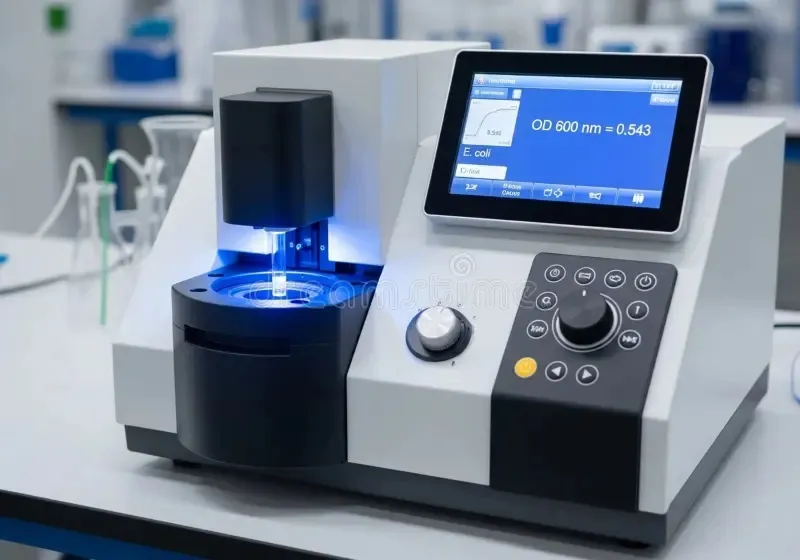
Spectrophotometers and pH Meters
Fundamental to any lab, these devices measure color intensity, specific compound concentrations (like bitterness units in beer), and acidity (pH). pH is crucial for taste, stability, and microbial control.
High-Performance Liquid Chromatography (HPLC)
HPLC is indispensable for separating, identifying, and quantifying complex mixtures. It's used to analyze sugars, organic acids, preservatives (like benzoates), vitamins, and mycotoxins in ingredients.
Fermentation and Microbial Control Equipment
For alcoholic and fermented beverages, controlling the biological processes is critical. This requires specialized equipment.
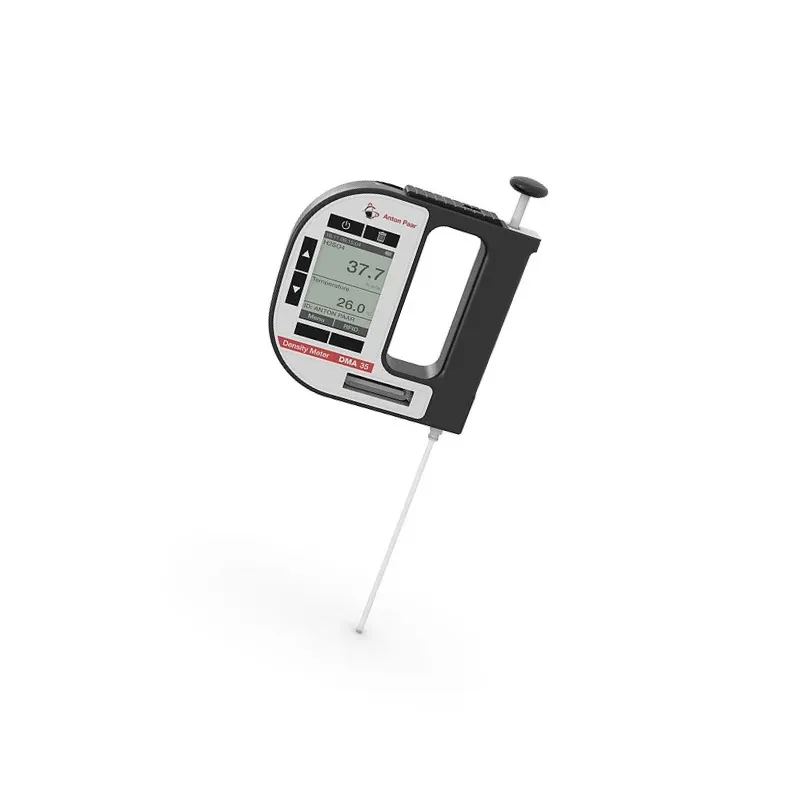
Fermentometers and Densitometers
These instruments, often digital density meters or oscillating U-tube densitometers, track sugar conversion to alcohol by measuring specific gravity or density throughout fermentation, calculating vital statistics like original and final extract.
Microbiological Safety: Incubators and Laminar Flow Hoods
Ensuring products are free from harmful microbes is non-negotiable. Incubators provide controlled temperatures for growing cultures, while laminar flow hoods offer a sterile workspace for sample preparation to prevent contamination.
| Analysis Parameter | Primary Equipment Used | Purpose & Importance |
|---|---|---|
| Alcohol Content (% ABV) | Densitometer, Alcolyzer, GC | Legal compliance, taxation, product labeling, taste. |
| Dissolved Oxygen (DO) | DO Meter (Clark-type sensor) | Prevents oxidation, preserves flavor and shelf-life in beer and juices. |
| Microbial Contamination | Microscope, Incubator, PCR equipment | Ensures product safety and prevents spoilage. |
| Sugar Profile | Refractometer, HPLC | Determines sweetness, fermentation efficiency, and nutritional labeling. |
| Carbonation (CO₂ Volumes) | Carbonation Tester (e.g., Zahm & Nagel) | Controls mouthfeel, taste perception, and package integrity. |
Sensory and Packaging Analysis Tools
Beyond chemistry and microbiology, the consumer experience is shaped by sensory qualities and packaging performance.
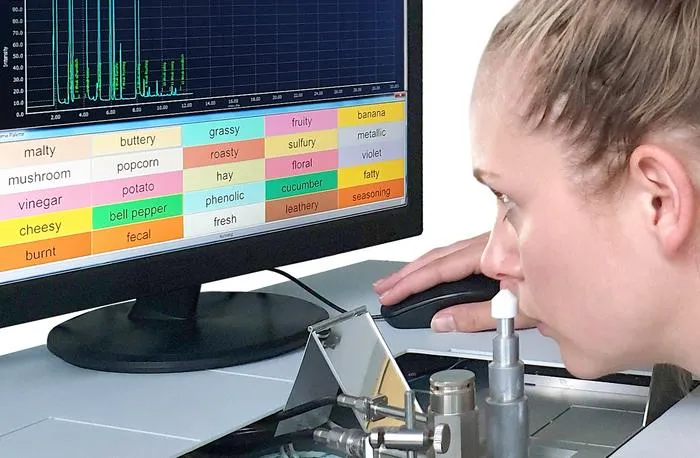
Gas Chromatography-Olfactometry (GC-O)
This advanced technique combines chemical separation with human sensory perception to identify key aroma-active compounds that define a beverage's bouquet.
Package Testing Equipment
This includes bottle/can seam analyzers, torque testers for caps, and oxygen ingress analyzers for flexible packaging. They ensure the package protects the product effectively.
A modern beverage lab is more than a collection of devices; it's an integrated system. Data from these instruments often feeds into Laboratory Information Management Systems (LIMS) for trend analysis, compliance reporting, and continuous process improvement. From receiving raw materials (testing water chemistry, malt quality, fruit purity) to monitoring in-process fermentation and conducting final product checks before shipment, each piece of equipment plays a vital role in the chain of quality.
Investing in precise, reliable beverage lab equipment is not merely an operational cost but a strategic necessity. It empowers producers to innovate with confidence, maintain brand reputation, comply with stringent global regulations, and ultimately, deliver a safe and enjoyable product to the consumer every single time.