



Food preservation is a critical practice that extends the shelf life of food, reduces waste, and ensures food security. Utilizing the right equipment and tools is fundamental to achieving safe, efficient, and high-quality results. This guide explores the core categories of food preservation technology, detailing the essential tools for each method.
1. Refrigeration and Freezing Equipment
These are the most common household preservation methods, slowing down microbial growth and enzymatic activity through low temperatures.
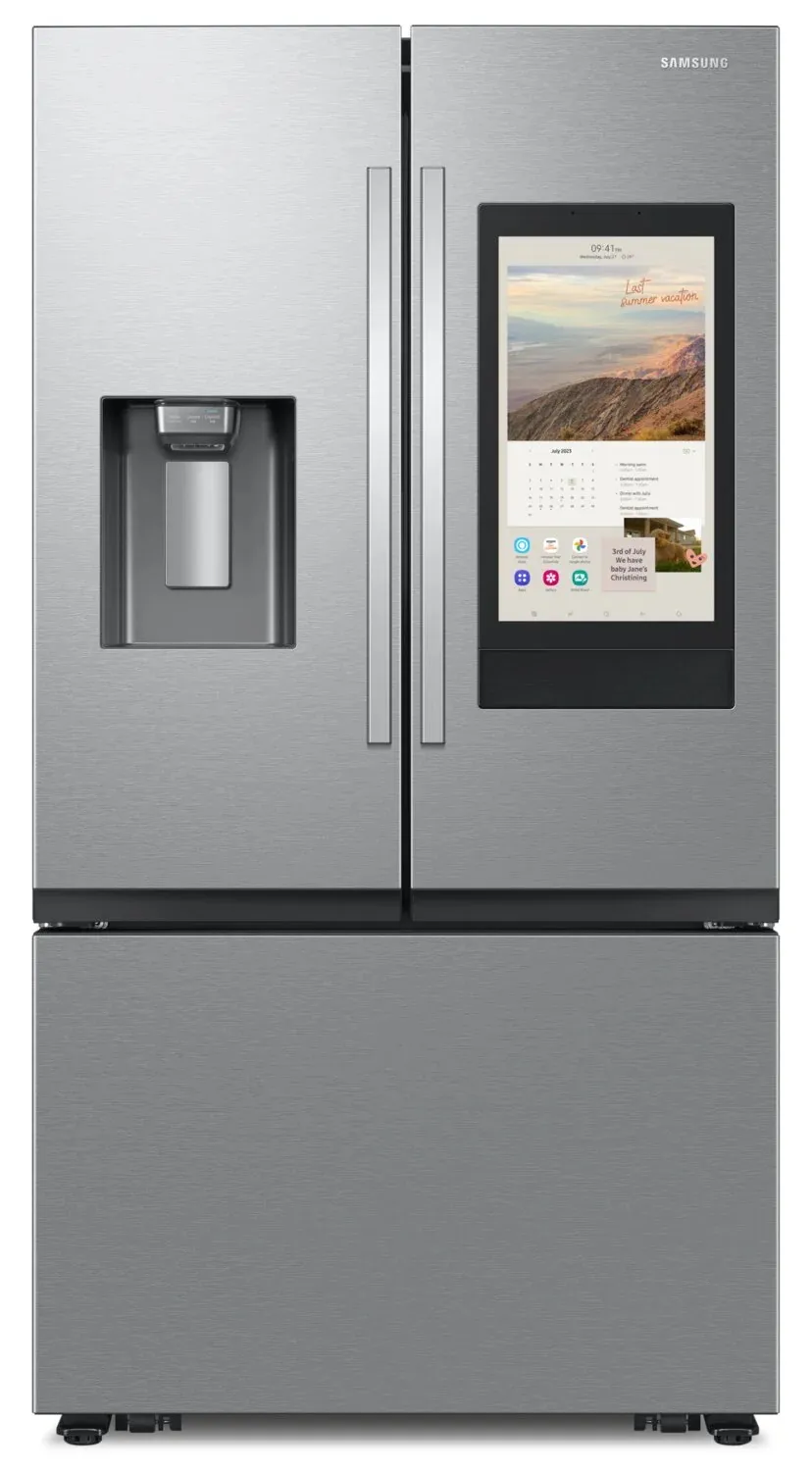
Refrigerators
Modern refrigerators are the cornerstone of short-to-medium-term preservation. Key features include precise temperature control, humidity-controlled crispers for fruits and vegetables, and dedicated compartments for meat and dairy.
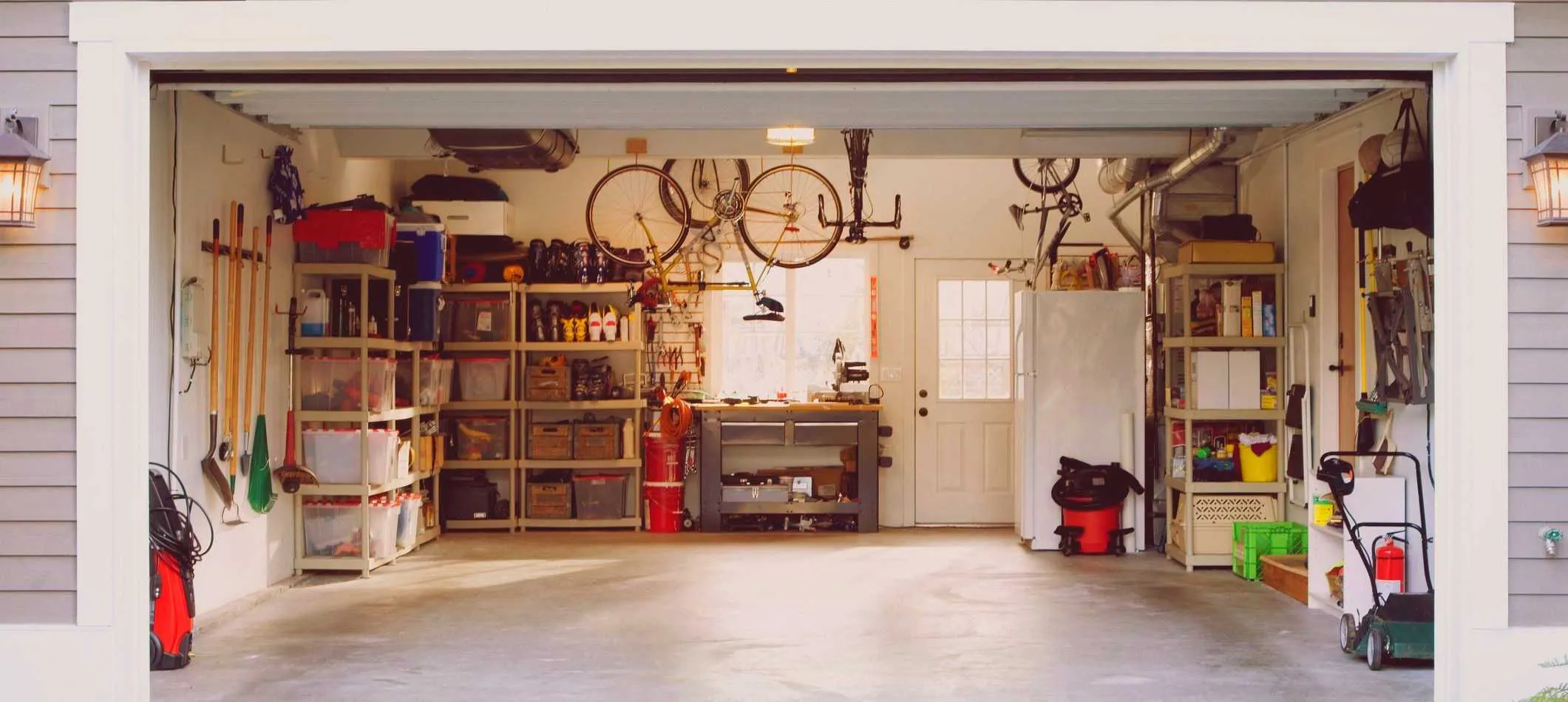
Freezers (Chest & Upright)
Freezers are essential for long-term storage. Chest freezers are more energy-efficient and offer greater bulk storage capacity, while upright freezers provide easier organization with shelves and drawers.
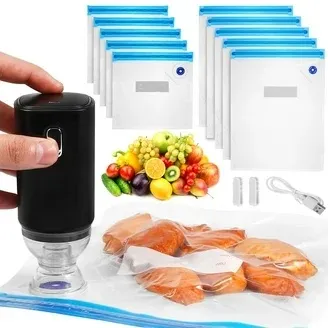
Vacuum Sealers
Used in conjunction with freezing, vacuum sealers remove air from specially designed bags, preventing freezer burn and significantly extending the quality and storage life of frozen foods.
2. Thermal Processing and Canning Equipment
This method involves heating food in sealed containers to destroy spoilage organisms. It requires specific, precise tools.
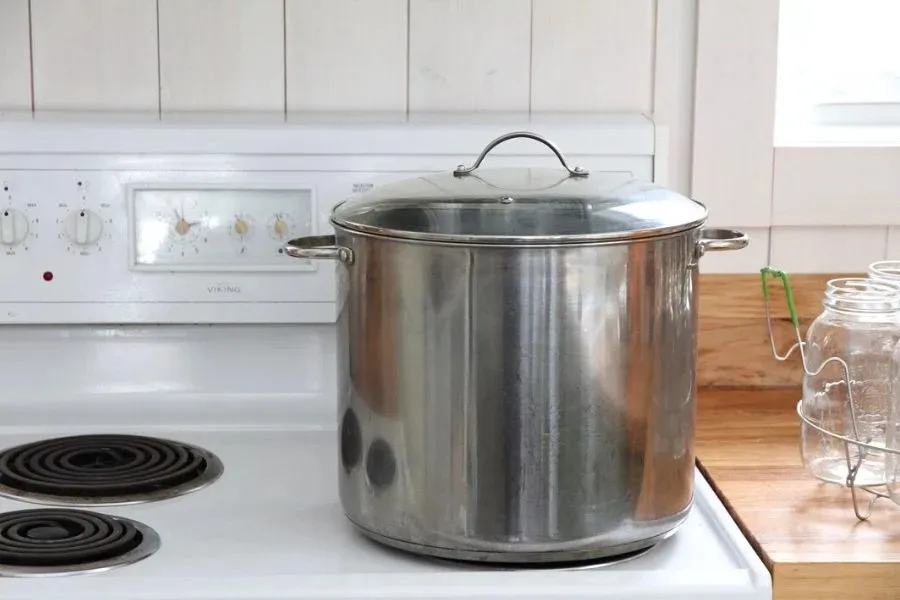
Water Bath Canners and Pressure Canners
The choice between a water bath canner (for high-acid foods) and a pressure canner (for low-acid foods like vegetables and meats) is critical for safety. Pressure canners achieve temperatures above boiling point.
Essential Canning Tools
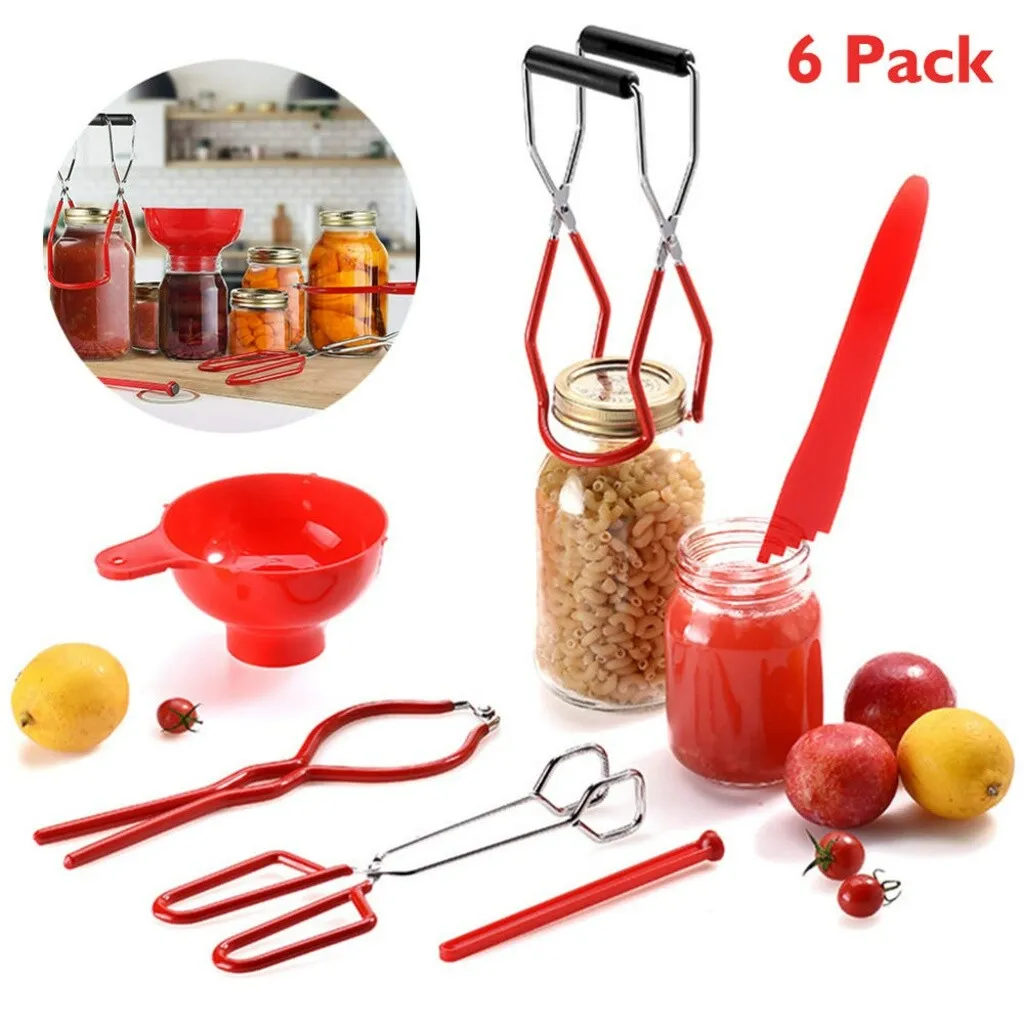
A proper toolkit is non-negotiable for safe canning. This includes:
- Jar Lifter: For safely moving hot jars.
- Magnetic Lid Lifter: For handling sterilized lid flats.
- Canning Funnel: For clean filling of jars.
- Bubble Remover/Headspace Tool: To remove air bubbles and measure headspace.
3. Dehydration Equipment
Dehydration removes moisture, inhibiting the growth of microorganisms. It concentrates flavors and creates lightweight, shelf-stable foods.
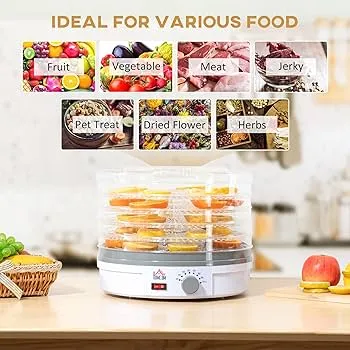
Food Dehydrators
Electric dehydrators offer controlled, consistent low heat and airflow. Key features include adjustable temperature settings, multiple trays, and a fan for even drying.
Specialized Tools for Dehydrating
Mandoline slicers for uniform cuts, silicone sheets for sticky fruits, and moisture absorbers for storage are valuable additions to the dehydration process.
4. Fermentation and Curing Tools
These methods use beneficial microbes or salt to preserve and transform foods.
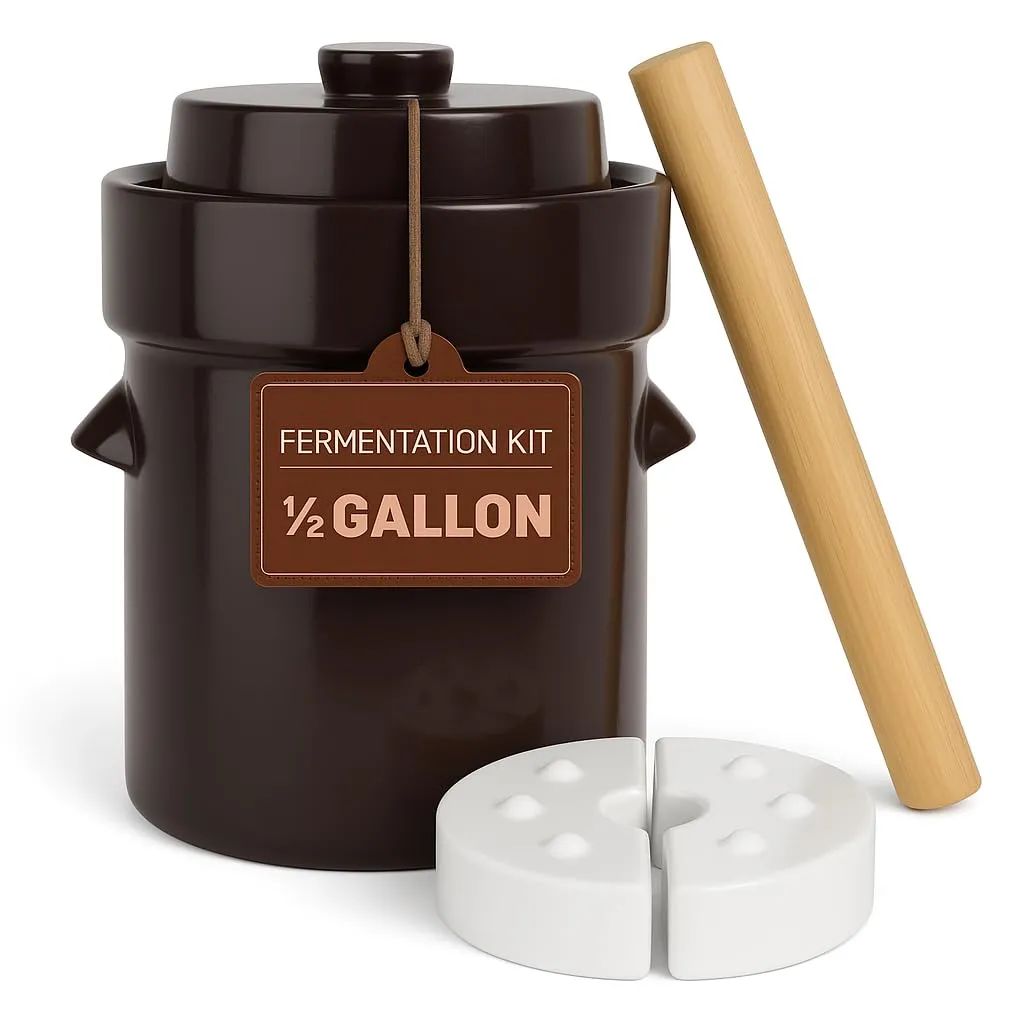
Fermentation Crocks and Weights
Specialized ceramic or glass crocks with water seals, along with glass or ceramic weights, are designed to keep vegetables submerged in brine, an essential condition for safe anaerobic fermentation.
Curing and Smoking Equipment
This includes accurate scales for measuring curing salts, smokers (cold or hot), and containers for dry-curing or brining meats.
Comparison of Core Preservation Equipment
| Equipment Category | Primary Method | Best For | Estimated Shelf Life Extension | Key Safety Consideration |
|---|---|---|---|---|
| Pressure Canner | Thermal Processing | Low-acid vegetables, meats, soups | 1-5+ years | Must achieve & maintain correct pressure/temperature |
| Vacuum Sealer + Freezer | Freezing (Anoxic) | Meats, prepared meals, vegetables | 6 months - 3 years | Avoid refreezing; ensure seals are airtight |
| Food Dehydrator | Moisture Removal | Fruits, herbs, jerky, vegetables | 6 months - 1 year | Food must be dried to a sufficiently low moisture content |
| Fermentation Crock | Biological (Microbial) | Sauerkraut, kimchi, pickles | 3-12 months (refrigerated) | Must maintain anaerobic environment (submersion in brine) |
5. Ancillary and Measurement Tools
Accuracy and hygiene are supported by these vital tools.
Measurement Tools
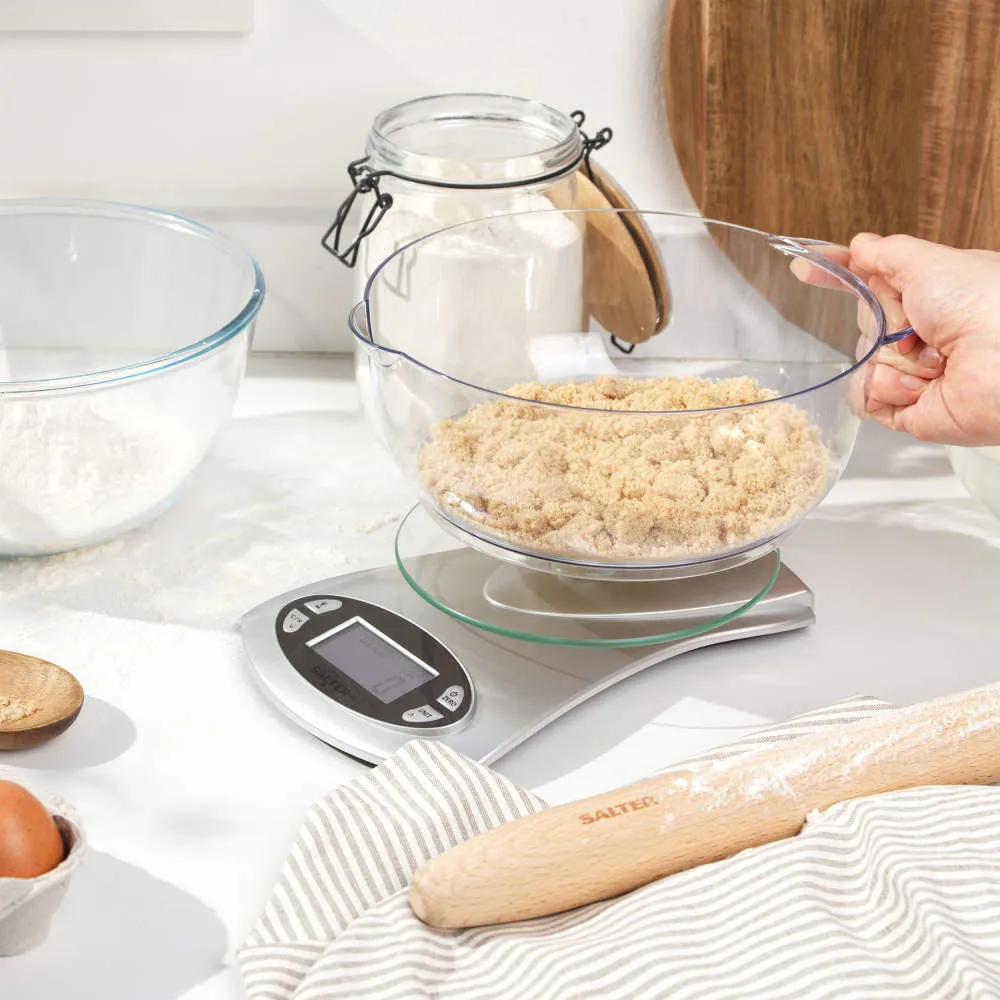
Precision is crucial. A high-quality kitchen scale is indispensable for consistent results in canning, curing, and fermenting. Accurate thermometers (for oil, candy, and meat) and pH strips/meters (for fermentation and canning safety) are also essential.
Containers and Storage
The final link in preservation. This includes Mason jars (for canning and dry storage), Mylar bags with oxygen absorbers (for long-term dry goods storage), and vacuum-sealable containers.
Investing in the appropriate food preservation equipment and tools is an investment in food safety, quality, and self-sufficiency. From the basic refrigerator to specialized pressure canners and dehydrators, each tool serves a specific purpose in inhibiting spoilage. By understanding and utilizing this equipment correctly, home preservers can safely extend the bounty of seasons, reduce food waste, and enjoy high-quality, preserved foods year-round. Always prioritize equipment that ensures safety, particularly when dealing with thermal processing and fermentation.