



The global pursuit of sustainable agriculture focuses not only on how food is grown but also on how it is preserved and delivered from farm to fork. In this context, modern food refrigeration equipment emerges as a pivotal, yet often underappreciated, technology. By drastically reducing post-harvest losses, optimizing supply chain efficiency, and conserving vital resources, advanced refrigeration systems are indispensable for building a resilient and sustainable food system that can nourish a growing population without overburdening the planet.
The Critical Challenge: Post-Harvest Losses
One of the most significant barriers to food security and agricultural sustainability is post-harvest loss. The Food and Agriculture Organization (FAO) estimates that approximately one-third of all food produced for human consumption is lost or wasted annually. A substantial portion of this loss occurs in developing countries due to inadequate storage and refrigeration in the early stages of the supply chain. Fruits, vegetables, dairy, and meat products are highly perishable and require immediate and consistent cooling to arrest microbial growth and slow down enzymatic degradation.
How Refrigeration Provides the Solution
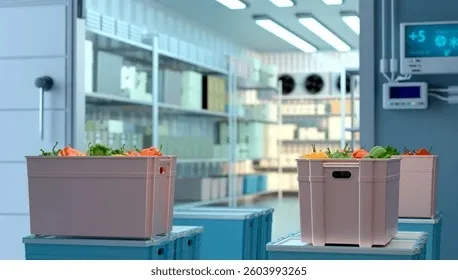
Refrigeration equipment, ranging from on-farm pre-coolers and cold rooms to refrigerated transport and retail display cases, creates a continuous "cold chain." This chain maintains products at their optimal temperature from the point of harvest to the consumer. By doing so, it extends shelf life by weeks or even months, dramatically reducing the volume of food that must be discarded. This not only makes more food available for consumption but also ensures that the resources used in production—water, land, energy, and labor—are not squandered.
Enhancing Supply Chain Efficiency and Market Access
Refrigeration technology transforms local agricultural economies by enabling farmers to access distant, higher-value markets. Without reliable cold storage, farmers are forced to sell their produce immediately after harvest, often at low prices due to market glut. With refrigeration, they can store products and strategically time their sales, improving income stability and economic sustainability.
Furthermore, an efficient cold chain reduces physical waste and logistical inefficiencies. It allows for the consolidation and smoother transportation of goods, optimizing load factors and reducing the carbon footprint per unit of food delivered. The table below summarizes the key impacts of refrigeration on different stages of the agricultural supply chain:
| Supply Chain Stage | Refrigeration Equipment Used | Sustainability Benefit |
|---|---|---|
| Harvest & On-Farm Processing | Pre-coolers, Packhouse Cold Rooms | Reduces field heat, slows respiration, and minimizes immediate spoilage. Preserves quality and weight. |
| Storage & Warehousing | Industrial Cold Stores, Controlled Atmosphere Rooms | Enables long-term storage, prevents glut-driven price crashes, and stabilizes supply. |
| Transportation | Refrigerated Trucks (Reefers), Shipping Containers | Maintains cold chain integrity during transit, allowing safe long-distance trade. |
| Distribution & Retail | Refrigerated Display Cases, Walk-in Coolers | Maintains product safety, appearance, and nutritional value for the end consumer, reducing retail waste. |
Energy Efficiency and Environmental Innovation
The sustainability of refrigeration equipment itself is a crucial area of development. Traditional systems can be energy-intensive and may use refrigerants with high global warming potential (GWP). The future lies in green refrigeration technologies:
- Natural Refrigerants: Systems using ammonia (NH3), carbon dioxide (CO2), or hydrocarbons, which have low or zero GWP.
- Solar-Powered Cold Storage: Off-grid and hybrid solar cooling solutions are revolutionizing storage capabilities in remote areas without reliable electricity.
- Smart Systems: IoT-enabled refrigeration with sensors and AI for predictive maintenance and optimal energy use, minimizing waste.
Balancing Act: Energy Use vs. Food Saved
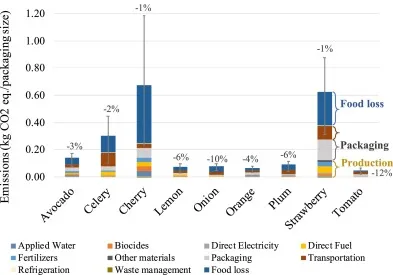
While refrigeration consumes energy, its net environmental benefit is profoundly positive when considering the alternative. The carbon footprint of producing wasted food—including emissions from farming, processing, and transportation—far exceeds the emissions from refrigerating that food to save it. The key is to power refrigeration with renewable energy and use the most efficient equipment available.
Conclusion: An Indispensable Tool for the Future
Food refrigeration equipment is far more than a convenience; it is a foundational technology for sustainable agriculture. By safeguarding the fruits of agricultural labor, it enhances food security, boosts farmer livelihoods, and promotes the efficient use of Earth's resources. The ongoing innovation towards energy-efficient, renewable-powered, and smart cold chain solutions will further amplify these benefits. Investing in and expanding access to modern refrigeration infrastructure, particularly in developing regions, is not just a technical upgrade—it is a critical step toward a more resilient, equitable, and sustainable global food system.