



The global frozen food industry is a cornerstone of modern food security, enabling the preservation of nutritional value, flavor, and safety of perishable goods across vast distances and time. At the heart of this industry are specialized frozen food equipment manufacturers, who design and produce the sophisticated machinery required for rapid freezing, storage, and handling. These manufacturers are not merely suppliers of industrial hardware; they are innovators and partners in the food processing sector, responding to evolving demands for efficiency, sustainability, and product quality. From individual quick freezing (IQF) tunnels for vegetables to spiral freezers for ready-to-eat meals, their technologies directly impact the scale, cost, and viability of frozen food production worldwide.
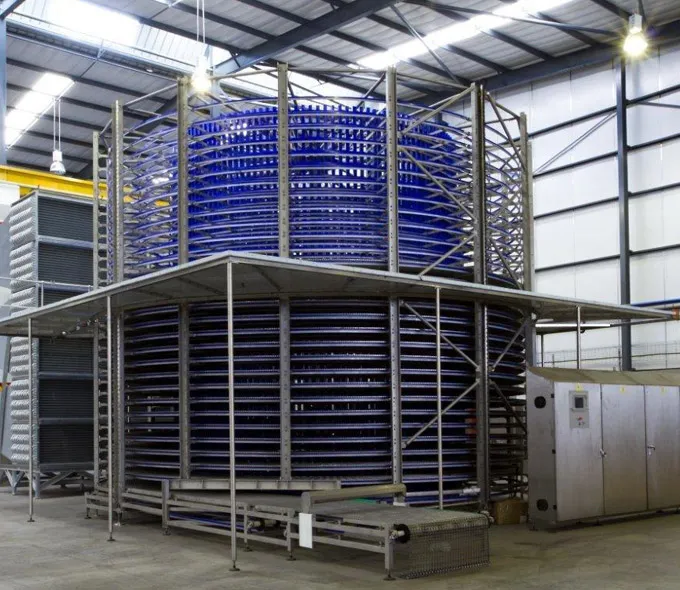
Figure 1: A modern spiral freezer system, a common solution for high-volume, continuous freezing of various food products.
Key Technologies and Equipment Produced by Leading Manufacturers
Manufacturers in this sector develop a diverse range of equipment, each tailored to specific food types, production volumes, and freezing methodologies. The technology spectrum is broad and highly specialized.
Individual Quick Freezing (IQF) Systems
IQF technology is critical for freezing particulate foods like berries, peas, shrimp, and diced meats individually, preventing them from clumping together. Manufacturers produce fluidized bed freezers and tunnel freezers that use powerful cold air streams to suspend and freeze each piece separately. This preserves the original texture, shape, and quality, which is paramount for product value.
Spiral Freezers and Belt Freezers
For continuous, high-capacity freezing of products like patties, fish fillets, pizzas, and packaged goods, spiral freezers are the workhorses of the industry. Manufacturers design these vertical systems to maximize freezing capacity within a small footprint. Belt freezers, including multi-pass and straight-line designs, offer versatility for products requiring gentle handling or precise freezing times.
Cryogenic Freezing Systems
Using liquid nitrogen or carbon dioxide, cryogenic freezers achieve ultra-rapid freezing. Manufacturers of this equipment cater to processors needing to freeze products with high moisture content or delicate structures (e.g., herbs, premium seafood, bakery items) where minimizing ice crystal formation is essential for premium quality.
Figure 2: IQF vegetables, demonstrating the separation and individual freezing achieved by specialized equipment.
Blast Freezers and Storage Solutions
Beyond the initial freezing process, manufacturers also produce blast freezers for in-process cooling and hardening, as well as sophisticated automated storage and retrieval systems (ASRS) for cold warehouses. These integrated solutions ensure the cold chain remains unbroken from production to dispatch.
Market Leaders and Innovation Drivers
The competitive landscape features global giants and specialized niche players. Companies like GEA Group (Germany), JBT Corporation (John Bean Technologies, USA), Air Products and Chemicals, Inc. (USA), Linde plc (global), and Carrier Global Corporation (USA) are prominent names, offering comprehensive solutions. These leaders drive innovation through:
- Energy Efficiency: Developing systems with advanced heat recovery, variable frequency drives, and eco-friendly refrigerants to reduce operational costs and carbon footprint.
- Automation and Industry 4.0: Integrating IoT sensors, AI, and data analytics for predictive maintenance, real-time process optimization, and traceability.
- Hygienic Design: Creating equipment with easy-clean surfaces, minimal crevices, and compliance with stringent global food safety standards (e.g., EHEDG, USDA).
- Flexibility: Designing modular systems that can handle multiple product types and adapt to changing market demands.
| Technology | Best For | Key Advantages | Considerations |
|---|---|---|---|
| IQF (Mechanical) | Small, particulate foods (berries, shrimp, diced vegetables) | Prevents clumping, excellent product separation, high quality | Higher initial investment, requires precise airflow control |
| Spiral Freezer | Wide range of products (patties, fish, packaged goods), high volume | Large capacity in small footprint, continuous operation, versatile | Complex maintenance, significant energy use |
| Cryogenic (LN2/CO2) | High-value, delicate items, rapid crust freezing | Extremely fast freezing, superior product quality, lower capital cost | High operational (cryogen) cost, supply chain dependency |
| Blast Freezer | Batch processing, core freezing of large items, pre-cooling | Simple operation, good for various sizes and shapes | Batch process (not continuous), slower than IQF/Cryogenic |
Critical Considerations for Selecting a Manufacturer
Choosing the right frozen food equipment manufacturer is a strategic decision for any processor. Key factors include:
- Application Expertise: Does the manufacturer have proven experience with your specific product category?
- Total Cost of Ownership (TCO): Evaluate not just purchase price, but installation, energy consumption, maintenance, and lifecycle costs.
- After-Sales Support: Availability of spare parts, technical service, and operational training is crucial for minimizing downtime.
- Regulatory Compliance: Equipment must meet the food safety and environmental regulations of the target markets.
- Scalability and Integration: Can the system grow with your business and integrate seamlessly with upstream and downstream processes?
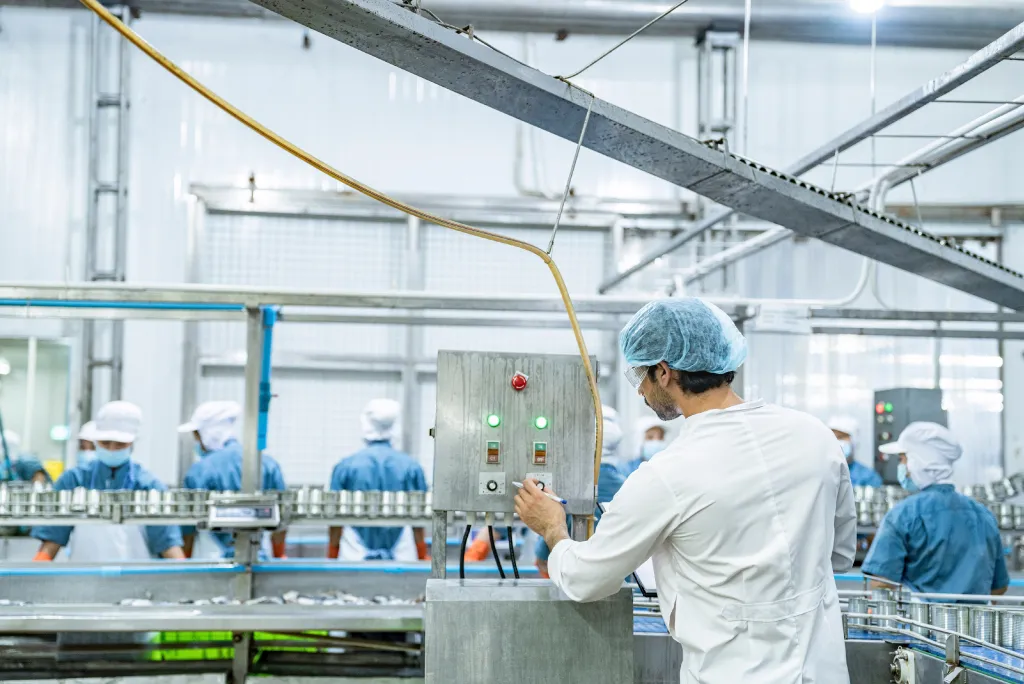
Figure 3: Technical consultation between manufacturer engineers and plant personnel, a key part of system design and integration.
Future Trends Shaping the Industry
The future of frozen food equipment manufacturing is being shaped by powerful macro-trends. Sustainability is paramount, pushing for natural refrigerants (like ammonia or CO2) and systems that drastically cut energy and water use. The rise of plant-based and alternative protein products requires new freezing protocols to manage different textures and compositions. Furthermore, e-commerce and direct-to-consumer models demand smaller, more agile freezing and packaging solutions for portion-controlled deliveries. Manufacturers that can innovate in these areas, providing smart, sustainable, and flexible freezing solutions, will lead the market in the coming decade.
Conclusion
Frozen food equipment manufacturers are indispensable enablers of a resilient, global food system. Their continuous innovation in freezing technology—driven by demands for quality, efficiency, and sustainability—directly supports the growth and evolution of the food processing industry. For businesses, a strategic partnership with a capable manufacturer, based on a thorough understanding of technologies and total operational needs, is a critical investment in long-term competitiveness and product excellence.