



The global demand for processed fruits and vegetables continues to rise, driven by urbanization, changing consumer lifestyles, and the need for extended shelf life and food safety. At the heart of this industry are the fruit and vegetable processing machinery manufacturers. These specialized engineering firms design, produce, and supply the complex equipment that transforms raw agricultural produce into a vast array of products—from frozen peas and fruit juices to canned tomatoes and dried snacks. Their innovations directly impact efficiency, product quality, and the scalability of food production worldwide.
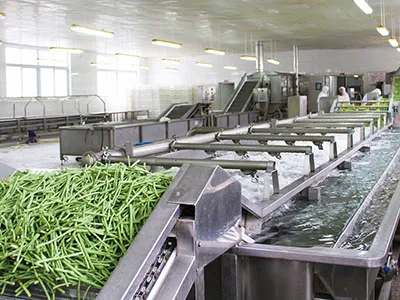
Core Technologies and Machinery Offered by Leading Manufacturers
Manufacturers in this sector offer a comprehensive range of equipment, each serving a specific function in the processing chain. The sophistication of these machines determines the final product's yield, nutritional retention, and sensory characteristics.
1. Pre-Processing Equipment
This initial stage prepares raw produce for further processing. Key machinery includes:
- Destoners and Washers: Remove soil, stones, and surface contaminants.
- Graders and Sorters: Optical and weight-based systems that sort produce by size, color, and quality.
- Peelers and Corers: Mechanical, steam, or abrasive peelers for fruits and vegetables.
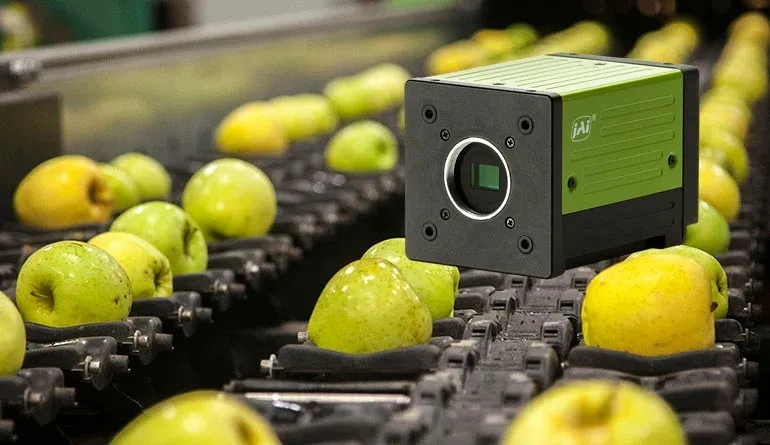
2. Processing and Preservation Equipment
This is where the core transformation occurs. Essential machines include:
- Cutters, Dicers, and Slicers: High-speed blades for uniform size reduction.
- Pulpers and Juicers: Extract pulp, juice, and concentrate from fruits.
- Blanchers: Use steam or hot water to inactivate enzymes that cause spoilage.
- Drying and Dehydration Systems: Tunnel dryers, spray dryers, and freeze dryers to remove moisture.
3. Packaging and Final Treatment
Machinery here ensures the product is sealed and protected. This includes aseptic filling machines, canning lines, and modified atmosphere packaging (MAP) systems that extend freshness.
Key Considerations When Choosing a Machinery Manufacturer
Selecting the right equipment partner is critical for a processing plant's success. Below is a comparison of crucial factors:
| Selection Criteria | Importance | Key Questions to Ask |
|---|---|---|
| Technology & Innovation | High | Does the manufacturer offer energy-efficient, automated solutions with IoT capabilities? |
| Hygienic Design & Compliance | Critical | Is equipment built to food-grade standards (e.g., USDA, FDA, EHEDG) with easy-clean surfaces? |
| After-Sales Support | High | What is the availability of spare parts, technical support, and service engineers? |
| Customization Ability | Medium-High | Can they tailor machinery to handle specific produce (e.g., delicate berries) or unique product formats? |
| Total Cost of Ownership (TCO) | High | Beyond purchase price, what are the costs for operation, maintenance, and downtime? |
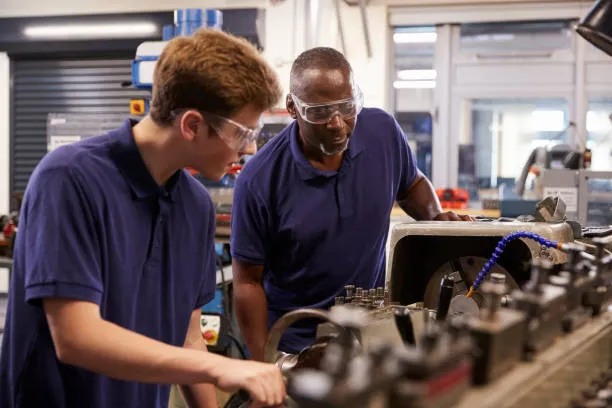
Global Landscape and Leading Manufacturing Hubs
The market for fruit and vegetable processing machinery is global, with strong manufacturing clusters in specific regions:
- Europe: Renowned for high-precision, automated lines, particularly from Germany, Italy, and the Netherlands. They often lead in hygienic design and advanced preservation technologies.
- North America: Manufacturers excel in high-capacity systems for large-scale processing and innovative packaging solutions.
- Asia-Pacific: A major hub, with China and India offering cost-effective and increasingly sophisticated machinery, catering to a growing domestic and international market.
Future Trends Shaping the Industry
Forward-thinking manufacturers are focusing on several key trends:
Sustainability and Resource Efficiency
Developing machines that minimize water and energy consumption, reduce waste (e.g., by converting peels into by-products), and utilize cleaner technologies.
Smart Manufacturing and Industry 4.0
Integrating sensors, AI, and data analytics for predictive maintenance, real-time process optimization, and full traceability from farm to package.
Flexibility and Modularity
Designing adaptable production lines that can quickly switch between processing different types of fruits and vegetables to meet changing market demands.

Conclusion
Fruit and vegetable processing machinery manufacturers are indispensable partners in the global food supply chain. Their continuous drive for innovation in automation, hygiene, and sustainability directly enables the delivery of safe, nutritious, and convenient food products to consumers everywhere. As dietary patterns evolve and the world's population grows, the role of these engineers and their advanced machinery will only become more central to feeding the future.