



Introduction to Modern Food Cutting Technology
Small food cutting equipment has transformed how we approach food preparation in both domestic and commercial kitchens. These compact, efficient tools have evolved from simple manual devices to sophisticated electric appliances that save time, enhance safety, and improve consistency in food preparation. The market for small food cutting equipment has grown exponentially as consumers seek convenience without compromising on quality.
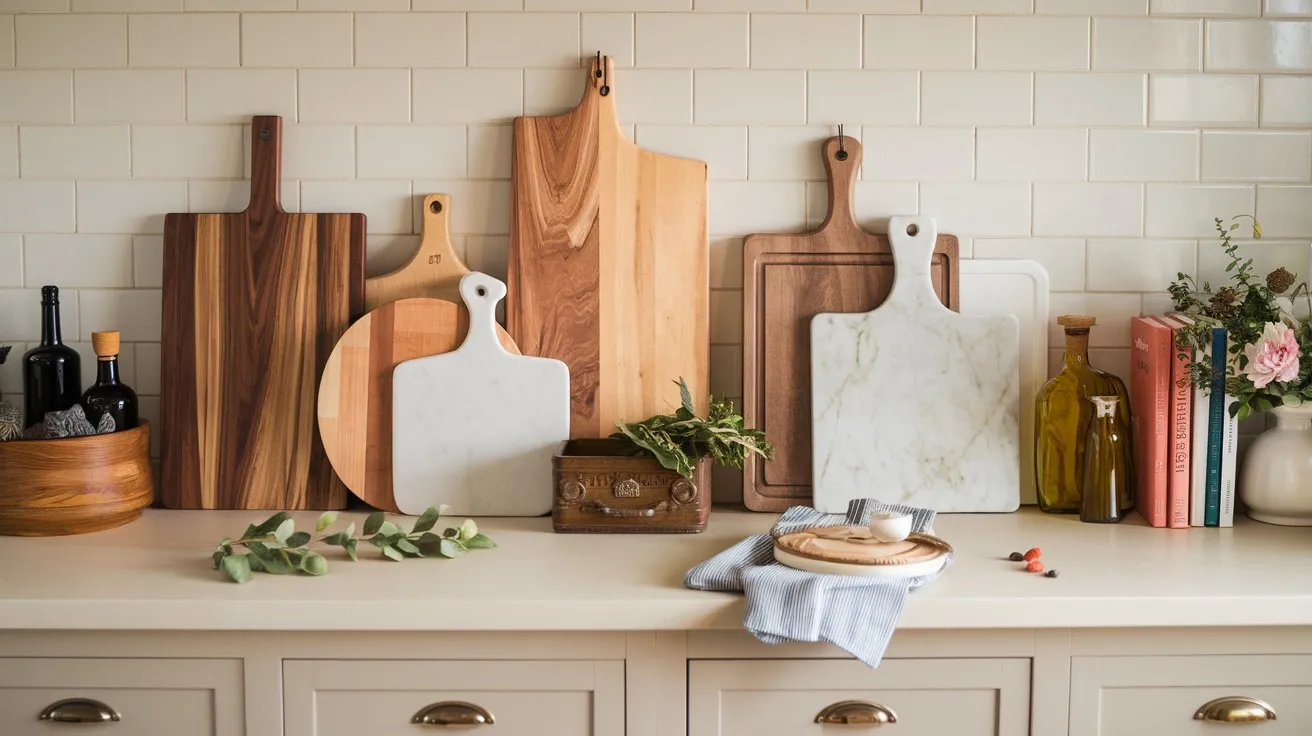
Types of Small Food Cutting Equipment
Manual Cutting Tools
Manual food cutting equipment remains popular for their simplicity and reliability. These include:
- Vegetable choppers with multiple blades
- Hand-held mandoline slicers
- Mezzaluna knives for herb chopping
- Garlic presses and mincers
Electric Food Processors
Electric food processors represent the technological advancement in food cutting equipment. These devices offer:
- Multiple speed settings for different textures
- Interchangeable blades for various cutting styles
- Pulse function for controlled processing
- Compact designs for easy storage
Key Features to Consider When Choosing Equipment
Blade Quality and Material
The quality of blades determines the efficiency and longevity of food cutting equipment. Stainless steel blades remain the industry standard due to their durability, corrosion resistance, and ability to maintain sharpness. Ceramic blades have gained popularity for their non-reactive properties and exceptional sharpness retention.
Safety Features
Modern small food cutting equipment incorporates numerous safety features:
- Non-slip bases and handles
- Safety locking mechanisms
- Finger guards and food pushers
- Automatic shut-off systems
Ease of Cleaning and Maintenance
Equipment designed with dishwasher-safe components and minimal crevices significantly reduces cleaning time. Removable blades and bowls make maintenance straightforward and ensure thorough cleaning.
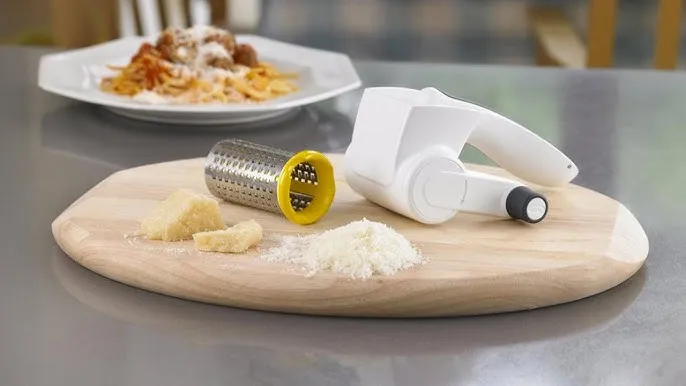
Applications in Different Settings
Home Kitchen Applications
In domestic settings, small food cutting equipment serves multiple purposes:
- Daily meal preparation
- Batch cooking and meal prepping
- Special dietary requirements
- Entertaining and party preparation
Commercial and Professional Use
Professional kitchens utilize small cutting equipment for:
- Garnish preparation
- Sauce and dressing production
- Small-batch specialty items
- Testing and development kitchens
Comparative Analysis of Popular Equipment Types
| Equipment Type | Best For | Power Source | Average Price Range | Cleaning Difficulty |
|---|---|---|---|---|
| Manual Food Chopper | Small batches, herbs, nuts | Manual | $15-$40 | Easy |
| Electric Mini Chopper | Medium batches, sauces, dips | Electric | $25-$80 | Moderate |
| Mandoline Slicer | Uniform slicing, vegetables | Manual | $20-$100 | Difficult |
| Multi-function Processor | Versatile cutting, multiple tasks | Electric | $50-$200 | Moderate |
Technological Advancements and Innovations
Smart Technology Integration
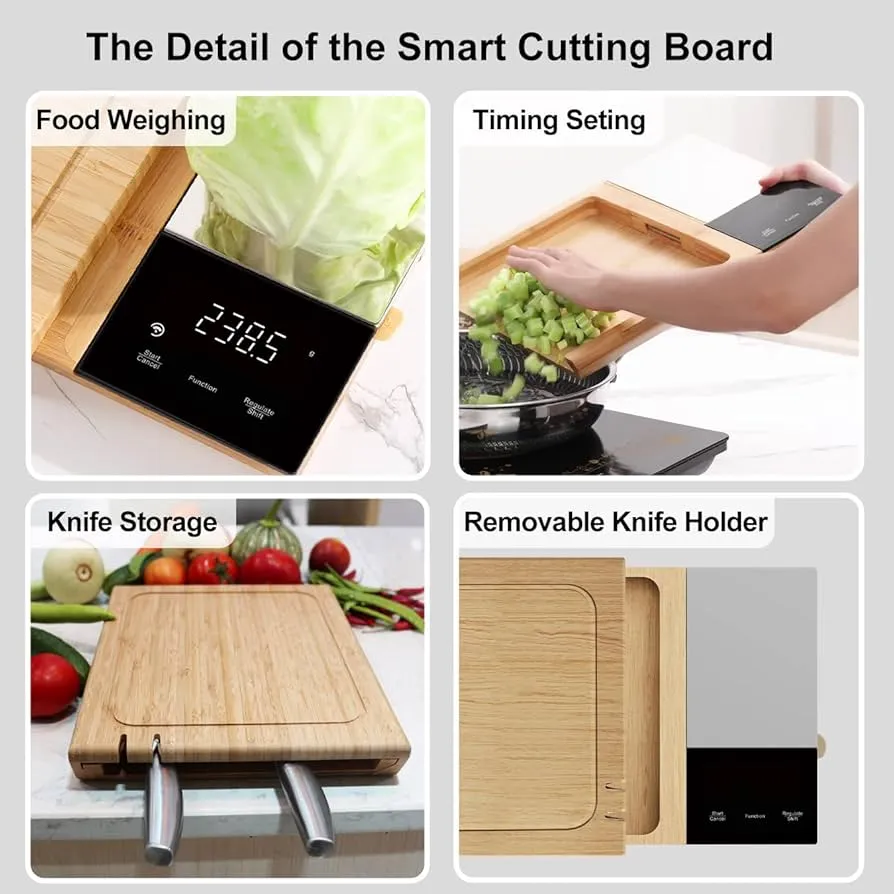
The latest small food cutting equipment incorporates smart features such as:
- Preset programs for specific foods
- Bluetooth connectivity for recipe integration
- Automatic blade adjustment based on food type
- Energy-efficient motors with variable speeds
Material Science Improvements
Recent developments in materials have enhanced equipment performance:
- Non-stick coatings on blades and bowls
- BPA-free plastic components
- Self-sharpening blade systems
- Heat-resistant and impact-resistant materials
Maintenance and Care Guidelines
Regular Maintenance Schedule
Proper maintenance ensures optimal performance and extends equipment lifespan:
| Maintenance Task | Frequency | Importance |
|---|---|---|
| Blade sharpening | Every 6-12 months | High |
| Complete cleaning | After each use | High |
| Motor inspection | Annually | Medium |
| Safety feature check | Monthly | High |
Troubleshooting Common Issues
Understanding common problems and their solutions helps maintain equipment efficiency:
- Motor overheating: Allow to cool and check for obstructions
- Uneven cutting: Check blade alignment and sharpness
- Difficulty assembling: Ensure all components are properly aligned
- Reduced performance: Clean thoroughly and inspect blades
Environmental Impact and Sustainability
Energy Efficiency Considerations
Modern small food cutting equipment focuses on energy conservation through:
- Low-wattage motors with high torque
- Automatic power-down features
- Efficient design reducing processing time
- Use of recyclable materials in construction
Sustainable Manufacturing Practices
Leading manufacturers are adopting eco-friendly practices:
- Reduced packaging materials
- Use of recycled plastics and metals
- Energy-efficient production facilities
- Take-back programs for old equipment
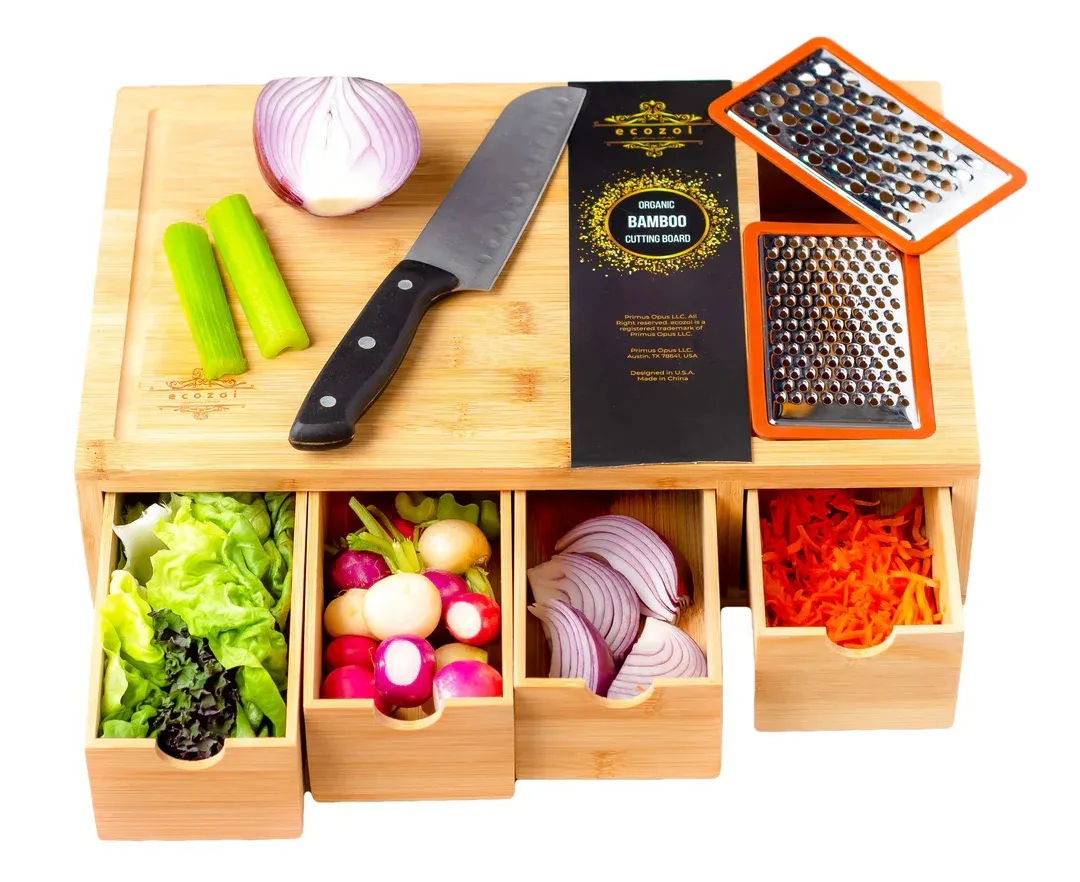
Future Trends in Small Food Cutting Equipment
Integration with Smart Home Systems
The future points toward greater connectivity with:
- Voice control compatibility
- Integration with smart kitchen ecosystems
- Automated inventory tracking
- Predictive maintenance alerts
Advanced Material Development
Research continues into new materials that offer:
- Longer blade life with self-healing properties
- Antimicrobial surfaces
- Biodegradable components
- Enhanced durability with lighter weight
Conclusion
Small food cutting equipment has evolved from basic manual tools to sophisticated appliances that significantly enhance kitchen efficiency. The continuous innovation in design, materials, and technology ensures these devices will remain essential in both home and professional kitchens. As consumers prioritize convenience, safety, and sustainability, manufacturers will continue to develop smarter, more efficient, and environmentally responsible cutting solutions that meet the evolving needs of modern food preparation.