



In the fast-paced world of foodservice and hospitality, efficiency, consistency, and quality are paramount. At the heart of meeting these demands lies the commercial beverage machine. Far more sophisticated than standard home appliances, these machines are engineered for high-volume output, durability, and versatility, serving as indispensable assets for cafes, restaurants, offices, hotels, and convenience stores worldwide. This guide explores the types, benefits, key features, and selection criteria for these vital pieces of equipment.
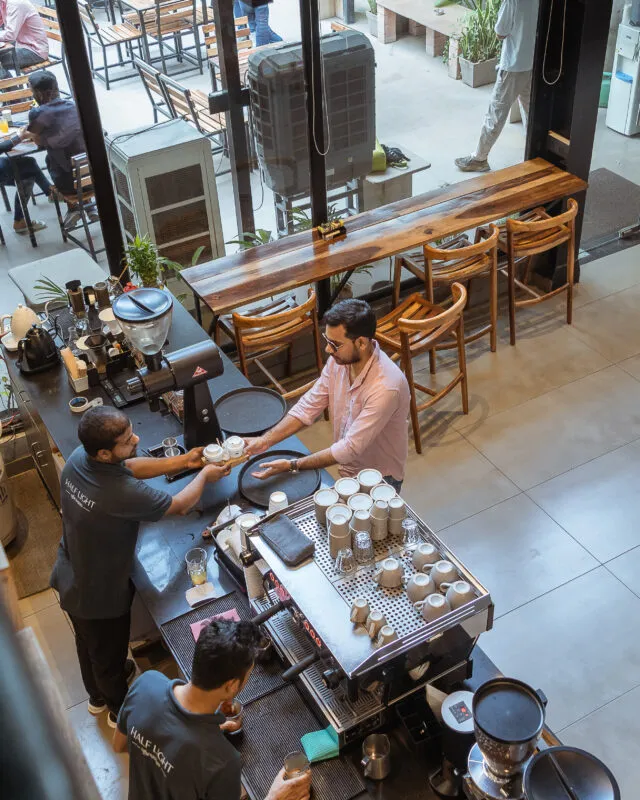
Core Types of Commercial Beverage Machines
The commercial beverage landscape is diverse, requiring specialized equipment for different drink categories. Understanding the primary types is the first step in selecting the right machine.
1. Commercial Coffee & Espresso Machines
These are the workhorses of cafes and restaurants. They range from traditional semi-automatic espresso machines requiring skilled baristas to super-automatic machines that grind, tamp, and brew at the touch of a button. Key variations include automatic, semi-automatic, and capsule-based systems designed for specific coffee brands.
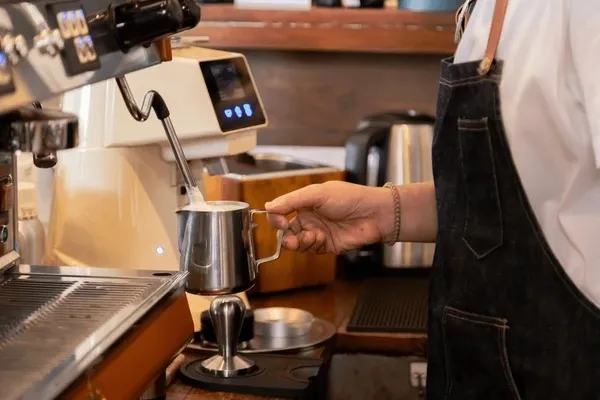
2. Commercial Drink Dispensers & Post-Mix Systems
Ideal for soft drinks, iced tea, and flavored beverages, these systems use concentrated syrup and carbonated water mixed at the point of dispensing. They are connected to central CO2 tanks and syrup bags/bibs, offering a cost-effective and space-efficient solution for high-traffic venues like fast-food chains and cinemas.
3. Commercial Juice & Smoothie Machines
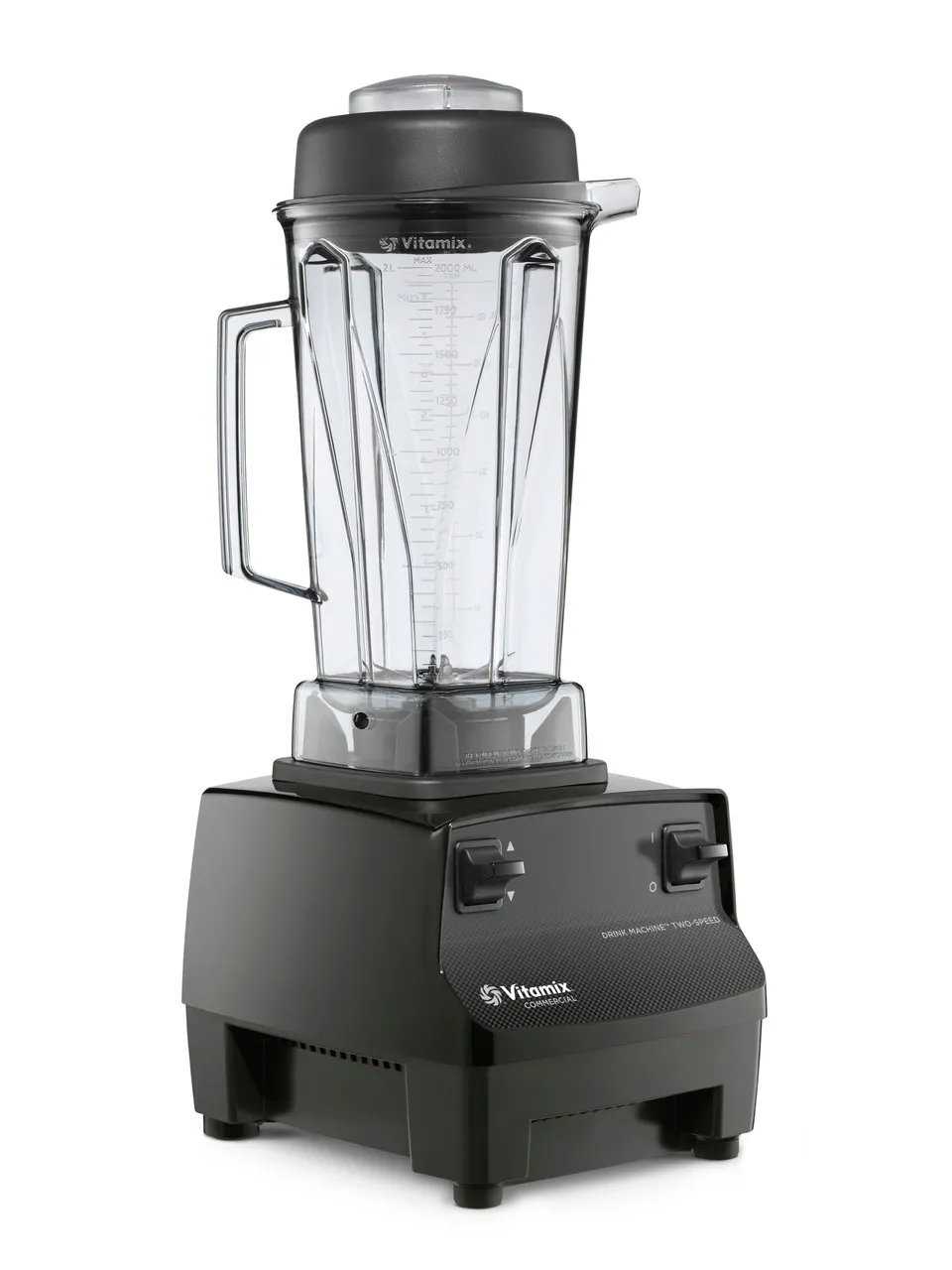
Designed for health-conscious consumers, these include high-capacity blenders, cold-press juicers, and pre-mix dispensers. They are built to handle frozen fruits, ice, and fibrous vegetables consistently throughout the day, commonly found in juice bars, gyms, and health-focused eateries.
4. Commercial Hot Chocolate & Specialty Drink Machines
These machines dispense powdered mixes combined with hot water or milk to produce consistent hot chocolate, chai lattes, and other powdered beverages. They often feature automatic stirring and precise temperature control.
Key Features and Technological Advancements
Modern commercial beverage machines incorporate advanced features to enhance operation, consistency, and management.
- Programmable Settings: Allow for precise control over brew time, temperature, and volume for perfect consistency.
- High-Capacity & Speed: Built with multiple group heads (for espresso) or valves (for dispensers) to serve many customers quickly.
- Durability & Construction: Featuring commercial-grade stainless steel, brass boilers, and industrial components to withstand constant use.
- Energy Efficiency: Many models include energy-saving modes to reduce operational costs and environmental impact.
- Smart Connectivity: IoT-enabled machines can monitor performance, track inventory (syrup/coffee bean levels), schedule maintenance, and even process payments.
- Ease of Cleaning & Maintenance: Automated cleaning cycles, removable parts, and accessible components are critical for hygiene and longevity.
Selection Criteria: Choosing the Right Machine
Selecting a commercial beverage machine requires careful consideration of your specific business needs. The following table outlines the primary factors to evaluate:
| Factor | Considerations | Impact on Choice |
|---|---|---|
| Volume & Demand | Peak hour customer count, daily beverage output. | Determines machine size, number of group heads/valves, and boiler capacity. |
| Menu & Beverage Type | Types of drinks offered (espresso, soft drinks, smoothies). | Dictates the machine category (espresso machine, post-mix dispenser, blender). |
| Available Space & Layout | Counter space, plumbing, and electrical access. | Influences the model dimensions and installation requirements (plumbed-in vs. pour-over). |
| Staff Skill Level | Training requirements for operation. | Super-automatic machines reduce skill need vs. semi-automatic models. |
| Budget | Initial investment vs. long-term operating costs (maintenance, energy, consumables). | Balances upfront cost with durability, efficiency, and potential for lease options. |
| Brand & Support | Manufacturer reputation, warranty, and local service availability. | Ensures reliable operation and minimizes downtime with accessible technical support. |
The Impact on Business Operations
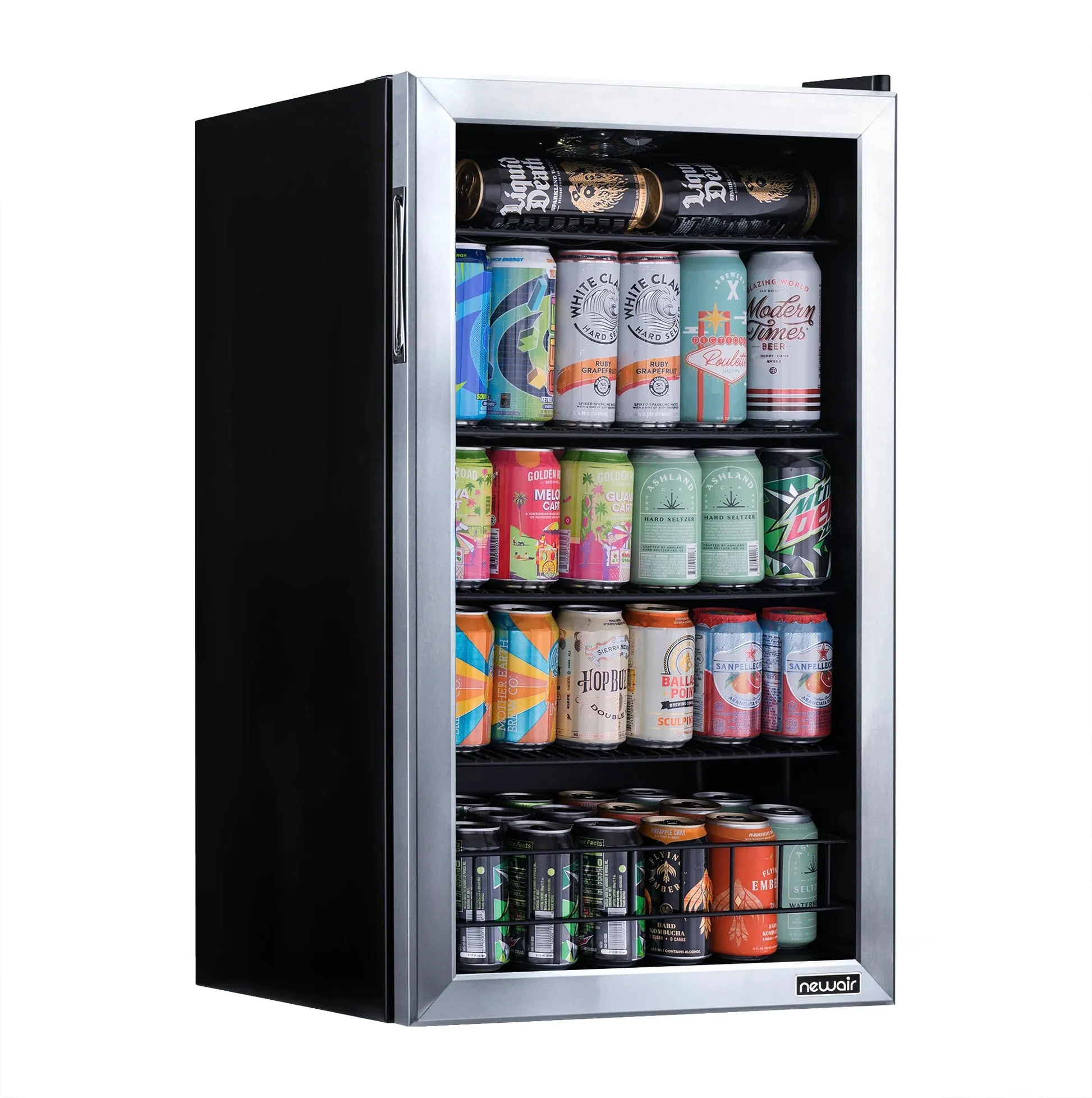
A well-chosen commercial beverage machine directly contributes to business success. It ensures drink consistency, which builds customer loyalty and brand reputation. Operational efficiency is heightened through speed and reliability, directly increasing sales capacity during rush hours. Moreover, advanced machines with precise portion control significantly reduce waste of ingredients like coffee, syrup, and milk, improving profit margins. Ultimately, they are not just appliances but strategic investments that enhance customer experience, streamline workflow, and drive revenue.
Conclusion
The commercial beverage machine is a cornerstone of the modern food and beverage industry. From crafting the perfect espresso to dispensing a refreshing soft drink, its role is critical. By understanding the different types, key features, and selection criteria, business owners can make an informed investment that meets their operational demands, delights customers, and ensures a strong return on investment for years to come.