



The global agricultural and food processing sectors are under constant pressure to optimize efficiency and reduce costs. In this challenging economic landscape, used grain processing equipment has emerged as a strategic and viable alternative to purchasing brand-new machinery. This comprehensive guide explores the benefits, key considerations, major equipment categories, and market trends associated with pre-owned grain processing systems.
Why Consider Used Grain Processing Equipment?
Investing in used machinery is not merely a cost-cutting measure; it's a calculated business decision. The primary advantage is significant capital expenditure reduction, often ranging from 30% to 70% compared to new equipment. This allows businesses, especially startups and small-to-medium enterprises (SMEs), to allocate funds to other critical areas like marketing, labor, or facility upgrades.
Furthermore, high-quality used equipment from reputable manufacturers like Bühler, Satake, Ocrim, and Golfetto is built to last. These machines are engineered for decades of service, meaning a well-maintained used unit can offer performance nearly equivalent to a new one. The reduced lead time for delivery and installation is another crucial benefit, enabling faster operational startup compared to waiting for new equipment manufacturing.
Key Benefit Summary:
- Cost Savings: Major reduction in initial investment.
- Proven Reliability: Equipment with a known performance history.
- Faster Deployment: Immediate availability and quicker setup.
- Sustainability: Extends machinery lifecycle, reducing environmental waste.
Critical Considerations Before Purchase
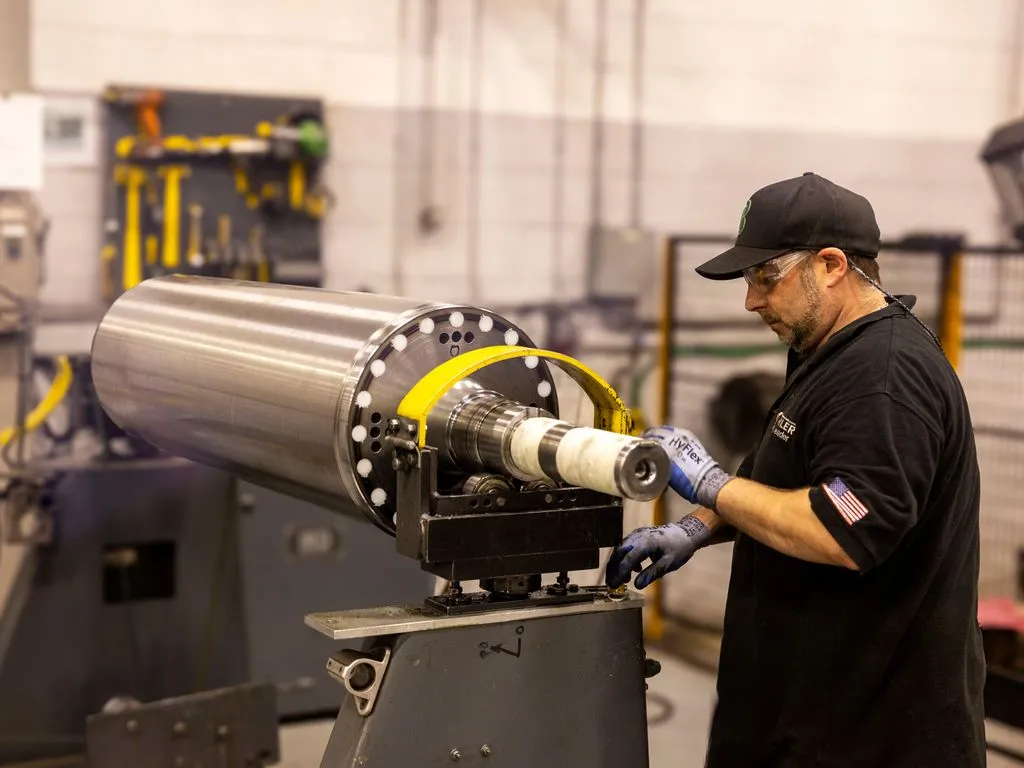
While the benefits are compelling, due diligence is paramount. A thorough inspection is non-negotiable. This should include checking for wear on critical components like rollers, bearings, sieves, and motors. Reviewing the equipment's maintenance and service history provides insight into how it was cared for and can reveal potential recurring issues.
Understanding the Total Cost of Ownership (TCO) is essential. The purchase price is just the beginning. Factor in potential costs for refurbishment, parts replacement, and compatibility with your existing production line. Always verify the availability of spare parts and technical support for the specific make and model, as obsolete machinery can become a liability.
Inspection Checklist Table
| Component to Inspect | What to Look For | Potential Risk if Neglected |
|---|---|---|
| Rollers (Roller Mills) | Groove wear, cracks, corrosion, and bearing play. | Poor milling performance, inconsistent flour extraction, increased energy use. |
| Sieves & Screens (Sifters) | Holes, tears, tension, and frame integrity. | Cross-contamination of products, loss of product quality, reduced yield. |
| Motors & Drives | Unusual noise, overheating, lubrication condition, electrical integrity. | Catastrophic failure, production downtime, safety hazards. |
| Structural Frame & Housing | Cracks, rust, misalignment, and signs of previous repairs. | Mechanical failure, safety issues, contamination risk. |
| Control Systems | Functionality of PLCs, sensors, and safety interlocks. | Operational inefficiencies, inability to automate, safety non-compliance. |
Major Categories of Used Grain Processing Equipment
1. Cleaning & Grading Equipment
This is the first and most critical stage. Used equipment includes pre-cleaners, destoners, gravity separators, and indented cylinder separators. These machines remove impurities like stones, dust, husks, and damaged grains. When evaluating used cleaners, inspect screen conditions, aspiration channels, and vibration mechanisms.
2. Milling & Grinding Equipment
The heart of any grain processing plant. The used market commonly features roller mills, hammer mills, and disc mills. Roller mills are particularly sought after for flour production. Assess the condition of the roll surfaces, grinding gap adjustment mechanisms, and lubrication systems. A used hammer mill should be checked for screen integrity and hammer wear.
3. Separation & Sifting Equipment
After milling, sifters and purifiers separate different fractions of the product. Used plan sifters, centrifugal sifters, and purifiers are widely available. Key inspection points include the sieve boxes, tensioning devices, drive belts, and the overall balance of the machine to ensure proper vibration and separation efficiency.
4. Conveying & Storage Equipment
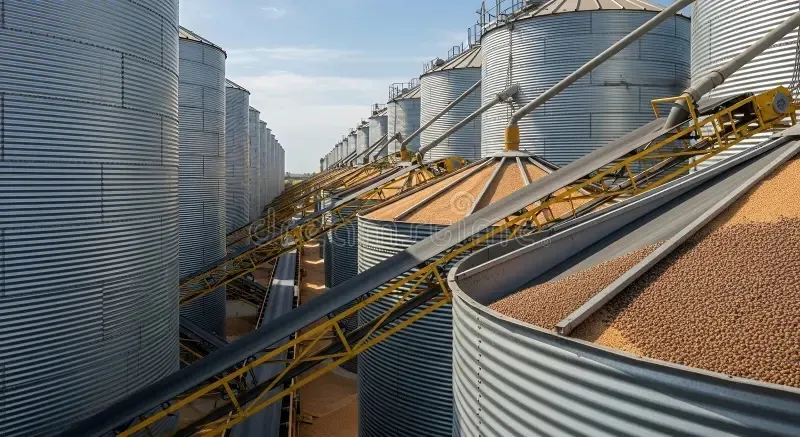
The supporting infrastructure is equally important. This category encompasses used bucket elevators, screw conveyors, chain conveyors, and silos. Check for wear on buckets, belts, chains, and flighting. Inspect storage silos for internal corrosion, leaks, and the condition of aeration and discharge systems.
Market Trends and Sourcing Channels
The market for used grain processing equipment is dynamic, facilitated by online marketplaces, dedicated industrial auction houses, and dealers specializing in food processing machinery. A growing trend is the purchase of complete, decommissioned milling lines from Europe or North America, which are then relocated and reinstalled in developing markets. This offers a turnkey solution at a fraction of the new cost.
Another significant trend is the refurbishment and modernization of used equipment. Many suppliers now offer certified refurbished machines where worn parts are replaced, surfaces are reconditioned, and outdated controls are upgraded with modern PLC-based systems, bridging the gap between used affordability and modern functionality.
Conclusion: A Strategic Approach
Used grain processing equipment represents a smart, strategic choice for businesses aiming to expand capabilities, replace aging units, or enter the market without prohibitive upfront costs. Success hinges on meticulous inspection, understanding total ownership costs, and sourcing from reputable channels. By leveraging the robust secondary market, processors can acquire durable, high-capacity machinery, ensuring competitiveness and profitability in the global food supply chain. The key is to view used equipment not as a compromise, but as a proven asset ready for a second productive life.