



Selecting the appropriate mixing equipment is a critical decision for any bakery, impacting product consistency, operational efficiency, and overall profitability. With various types of mixers available, understanding your specific needs is essential. This guide will help you navigate the key factors to consider when investing in bakery mixing equipment.
1. Types of Bakery Mixers
Different mixers are designed for specific tasks and dough types. The primary categories include:
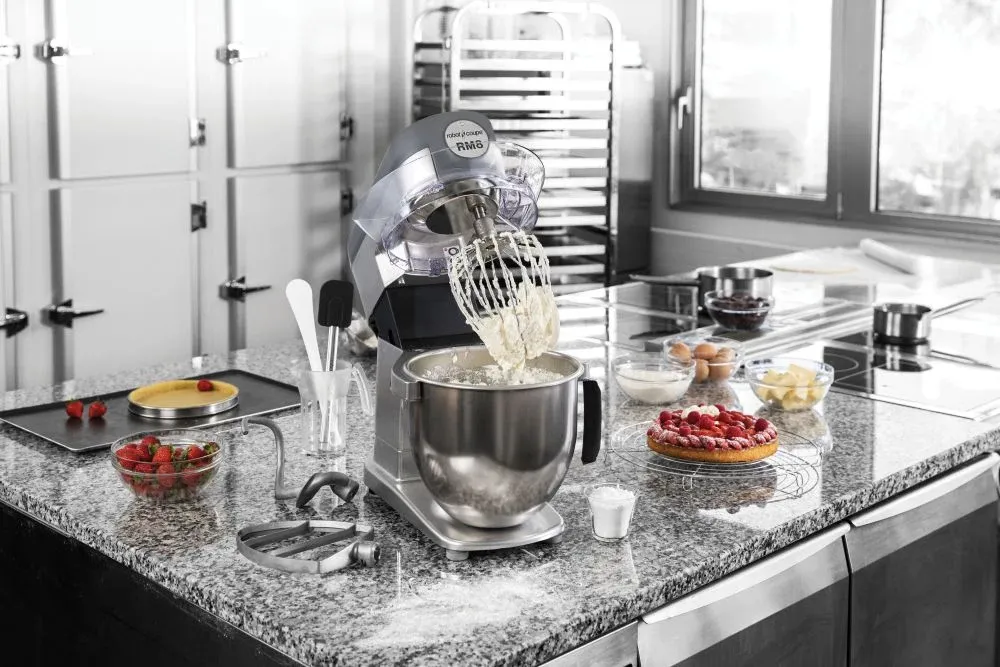
Planetary Mixers
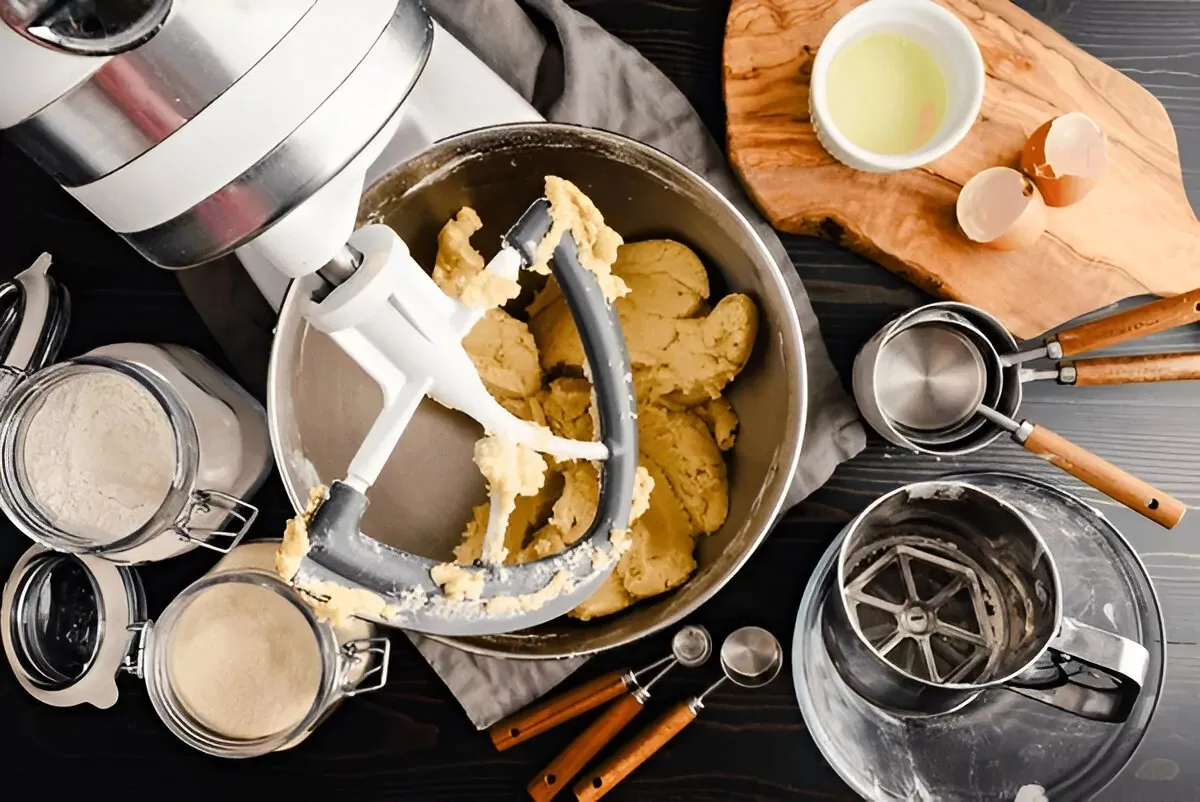
Planetary mixers are versatile and commonly used in small to medium-sized bakeries. They feature a stationary bowl and a rotating agitator that moves in a planetary motion. Ideal for mixing cakes, cookies, and light batters.
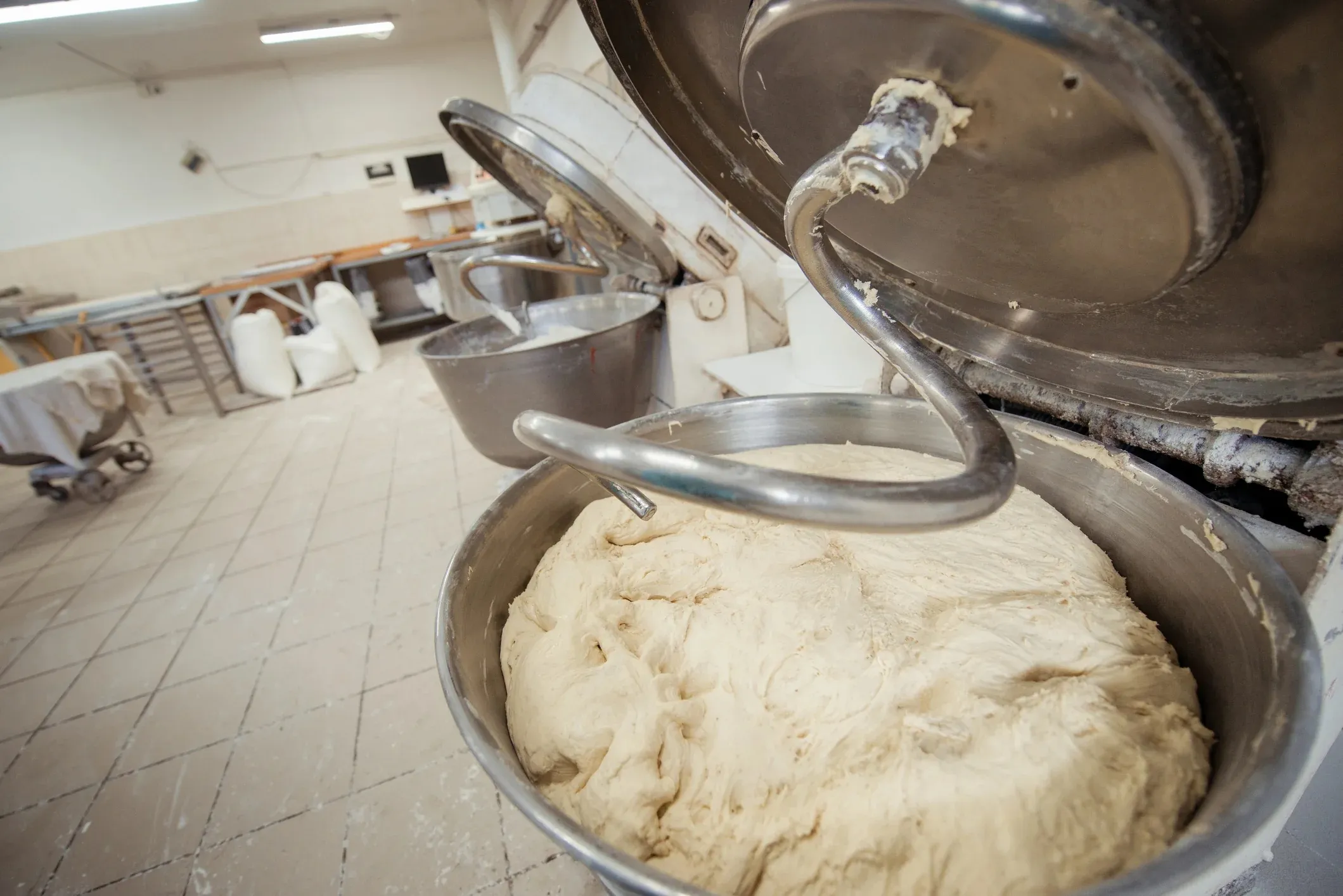
Spiral Mixers
Spiral mixers are specialized for kneading stiff doughs, such as bread and pizza dough. They have a spiral-shaped hook that rotates while the bowl remains fixed, ensuring thorough gluten development without overheating the dough.
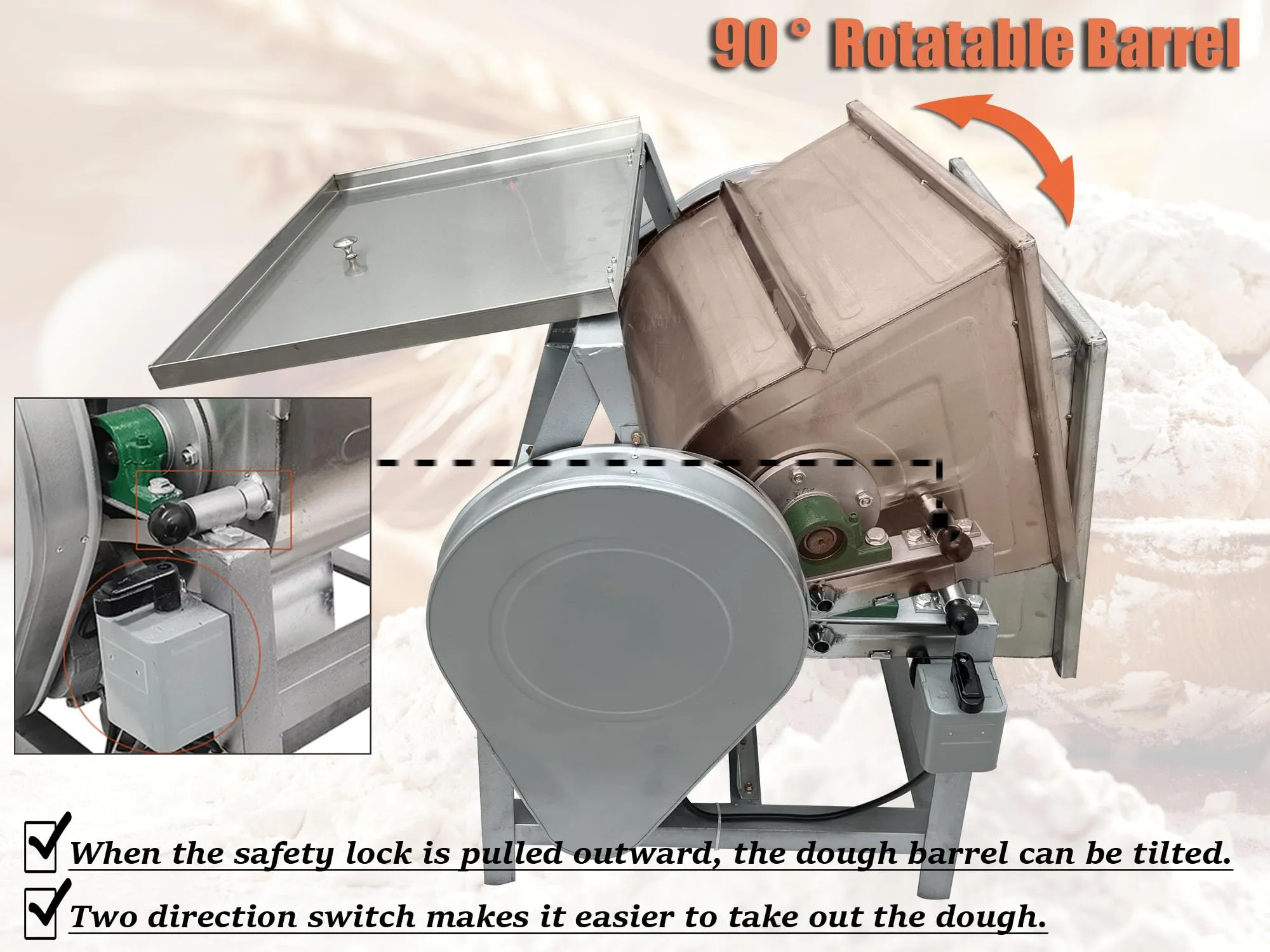
Horizontal Mixers
Horizontal mixers are high-capacity machines used in large-scale production. They feature a horizontal drum with rotating blades, suitable for heavy doughs and large batches of uniform consistency.
2. Key Selection Criteria
When choosing a mixer, evaluate the following factors to ensure it aligns with your bakery's requirements.
Capacity and Batch Size
Determine your typical batch size and peak production needs. Mixer capacity is usually measured in quarts or liters for bowl mixers, or in pounds of dough per batch for spiral and horizontal mixers.
| Bakery Size | Recommended Capacity | Best Mixer Type |
|---|---|---|
| Small (Artisan/Cafe) | 20-60 quarts | Planetary Mixer |
| Medium (Retail Bakery) | 60-140 quarts | Planetary or Spiral Mixer |
| Large (Wholesale/Factory) | 150+ quarts or 100+ lbs dough | Horizontal or Spiral Mixer |
Power and Speed Settings
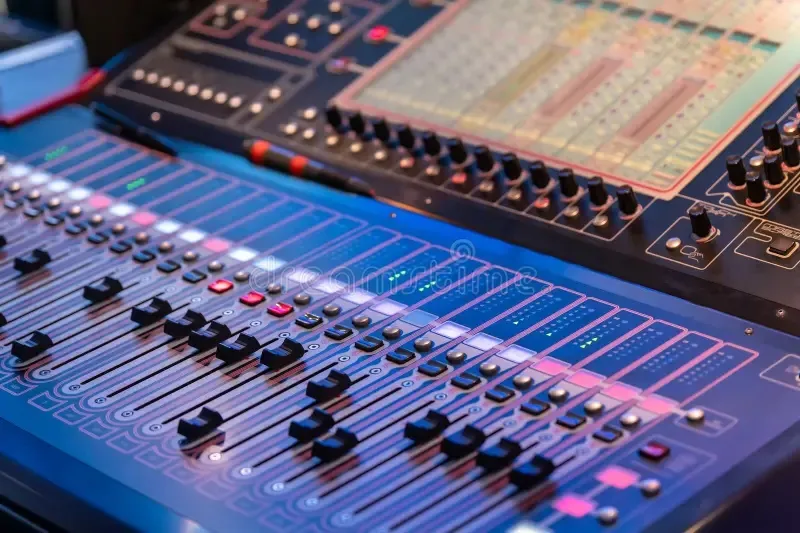
Motor power (measured in horsepower) and variable speed controls are crucial for handling different dough consistencies. Higher horsepower is needed for stiff doughs, while multiple speed settings offer flexibility.
Bowl and Attachment Options
Consider mixers with interchangeable bowls and attachments (e.g., hooks, beaters, whisks). Stainless steel bowls are durable and easy to clean. Some models offer tilt or lift mechanisms for easy loading and unloading.
3. Features for Efficiency and Safety
Modern mixers come with features that enhance usability and safety in a busy bakery environment.
Timer and Digital Controls
Programmable timers and digital interfaces ensure consistent mixing times, reducing human error and improving repeatability.
Safety Locks and Overload Protection
Look for safety interlocks that prevent operation when the bowl is not properly secured. Overload protection safeguards the motor from damage during heavy use.
Noise and Heat Management
Efficient motors and insulated designs reduce noise and prevent excessive heat transfer to the dough, which is vital for fermentation control.
4. Maintenance and Durability
Investing in a durable mixer with accessible maintenance features can reduce long-term costs and downtime.
| Component | Maintenance Task | Frequency |
|---|---|---|
| Motor and Gearbox | Lubrication and inspection | Every 6 months |
| Bowls and Attachments | Sanitization and check for wear | Daily/Weekly |
| Electrical Connections | Safety inspection | Annually |
| Exterior Surfaces | Cleaning and corrosion check | Daily |
Ease of Cleaning
Choose mixers with smooth surfaces, minimal crevices, and removable parts. Compliance with food safety standards (like NSF or EHEDG) is advantageous.
5. Cost Considerations
Balance initial investment with long-term value. While high-quality mixers may have a higher upfront cost, they often offer better durability, energy efficiency, and lower maintenance expenses. Consider warranty terms and availability of spare parts.
Total Cost of Ownership
Factor in energy consumption, repair costs, and potential productivity gains when evaluating different models.
Conclusion
Selecting the right mixing equipment requires careful analysis of your bakery's production scale, product range, and operational goals. By prioritizing capacity, functionality, safety, and durability, you can invest in a mixer that enhances product quality, streamlines processes, and supports business growth. Always test equipment when possible and consult with suppliers to find the optimal solution for your specific needs.